
Chinese water chestnut
Eleocharis dulcis
Description
Sowing dates
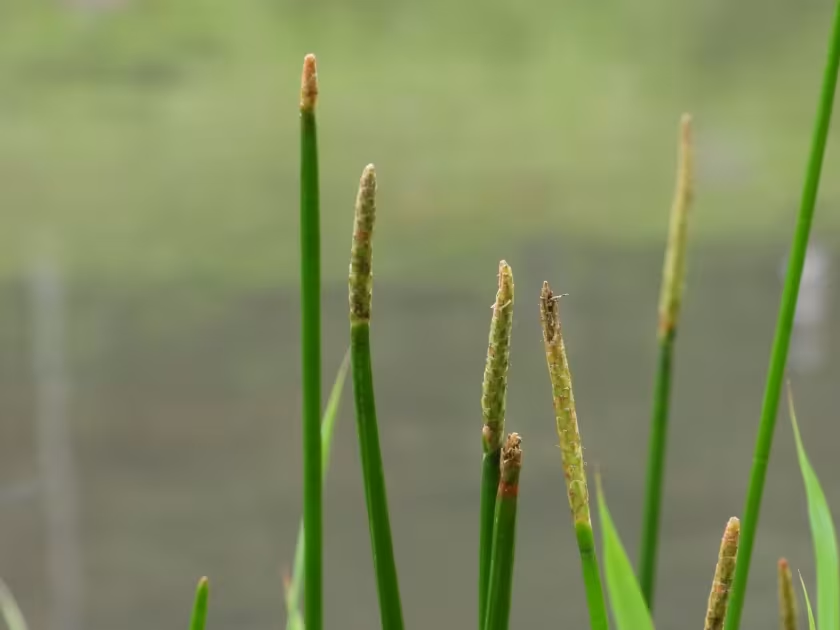
Chinese water chestnut (Eleocharis dulcis) is an aquatic perennial plant belonging to the Cyperaceae family. It is widely cultivated for its edible corms, which have a crisp texture and sweet, nutty flavor.
Propagation is primarily vegetative using mature corms. Planting is carried out in prepared, waterlogged soil at a depth of approximately 5 to 10 centimeters.
The optimal planting time coincides with the start of the warm, rainy season, ensuring favorable conditions for the stolons to emerge and establish a robust root system.
Spacing between plants should be maintained at about 40 to 60 centimeters to allow the plant to spread effectively and produce high-quality corms without overcrowding.
Seed corms must be carefully selected for health and vigor, ensuring they are free from pests or signs of decay, which is crucial for uniform field establishment.
Growing requirements
This crop is highly dependent on water management. It requires a permanent water depth of 10 to 20 centimeters throughout the active growing season to thrive.
Chinese water chestnut performs best in tropical and subtropical climates with average temperatures ranging between 25°C and 35°C, as it is very sensitive to cold.
The ideal soil type is heavy, organic-rich clay or silt that is capable of retaining moisture and providing adequate structural support for the developing corms.
Full sun exposure is necessary for the plant to maximize its photosynthetic activity, which directly impacts the size and starch content of the harvested corms.
Maintaining a neutral to slightly acidic soil pH is recommended to prevent nutrient deficiencies, particularly in micro-elements required for lush vegetative growth.
Yield
The growing cycle of Chinese water chestnut typically lasts between 200 and 250 days from planting to full maturity and corm formation.
In well-managed fields, producers can expect yields ranging from 20 to 30 tons per hectare, depending on local conditions and cultivar performance.
Balanced fertilization, particularly with potash, is essential during the active development phase to encourage corm enlargement and improve overall yield quality.
Effective water management during the final stages of growth ensures that the corms remain firm, juicy, and reach their full market potential.
Yield stability is strongly linked to the prevention of premature water drainage, as moisture stress can significantly reduce both the size and quantity of the corms.
Main diseases and pests
The crop is vulnerable to various fungal pathogens, such as stem and corm rots, which often thrive in stagnant, poorly managed water conditions or improper temperatures.
Insect pests that target the foliage or the underground stolons can cause substantial damage, requiring vigilant monitoring during the early stages of plant growth.
Weed management is a significant challenge, especially during the first few weeks, as weeds compete for space and sunlight in the flooded paddy fields.
Integrated pest management strategies, including the use of disease-free planting material and careful water control, are vital for maintaining healthy crop stands.
- Implement strict quarantine practices for seed corm movement.
- Monitor the field regularly for symptoms of blight or fungal rot.
- Rotate water regularly to prevent the build-up of pathogenic organisms.
Harvesting
Harvesting begins when the aerial stems start to yellow and die back, signaling that the corms have reached physiological maturity and maximum starch accumulation.
The field is drained of water a few weeks before harvest to allow the soil to firm up, enabling easier access for manual labor or harvesting equipment.
Corms are carefully unearthed, cleaned of mud and debris, and graded based on size and quality for fresh market distribution.
Post-harvest handling is critical, as corms are perishable and can lose moisture rapidly, leading to shriveling and loss of their signature crispness.
Storage under cool, humid conditions is recommended to extend the shelf life of the product and maintain its high culinary value for the end consumer.