
Eleocharis congesta
Eleocharis congesta
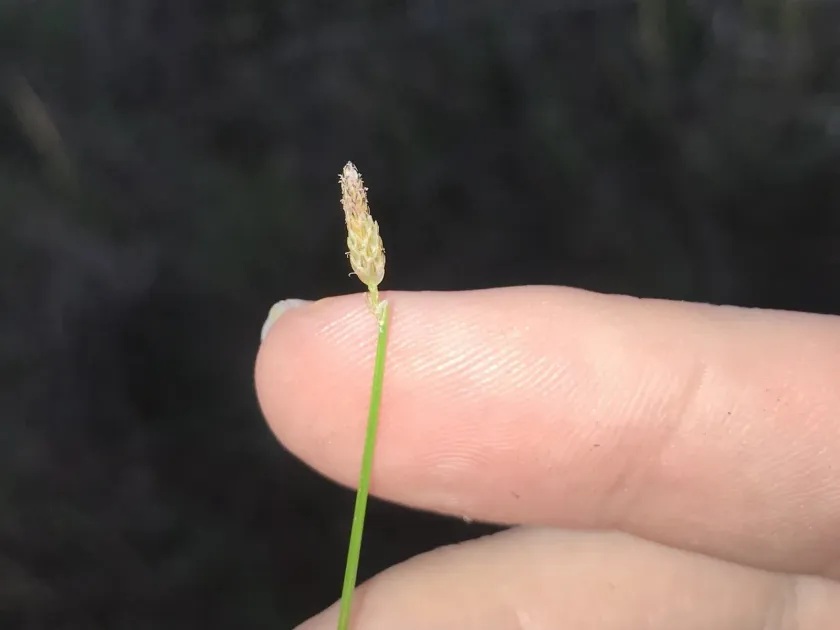
Description
Sowing dates
Sowing of Eleocharis congesta in agricultural practice is typically carried out by dividing rhizomes or seeding into prepared moist substrates during the spring season. The optimal time for planting is the second half of April through early May, once soil temperatures stabilize.
To accelerate germination, seeds undergo stratification in cool conditions for approximately one month. Sowing is done superficially, as the tiny seeds require adequate light exposure to trigger growth processes efficiently.
For industrial applications, such as constructing artificial wetlands for bio-filtration, cassette-based planting is preferred. This method allows for controlled planting density, which minimizes competition between seedlings during early vegetative stages.
When using vegetative propagation, rhizome segments are planted into the bottom substrate at a depth of up to 5 centimeters. This technique ensures higher survival rates compared to seeding in highly dynamic water environments.
Maintaining a uniform moisture level until final establishment is critical. Desiccation of the upper substrate layer during the emergence stage can lead to significant crop loss, necessitating a reliable irrigation system.
Growing requirements
Eleocharis congesta belongs to the Cyperaceae family and is a typical hydrophyte requiring consistently moist or waterlogged conditions for optimal growth. In its native range, the plant is found along riverbanks, lakes, and marshes in various Asian countries.
Successful development requires slightly acidic to neutral soils enriched with organic matter. An optimal substrate pH range of 5.5 to 6.8 ensures the bioavailability of essential micronutrients required for robust culm formation.
The culture has high light requirements. Direct sunlight promotes the formation of dense mats and stimulates root system development, whereas shade causes the plant to lose its decorative value and significantly slows the growth rate.
While the plant prefers a moderately warm climate, it demonstrates resilience to brief temperature fluctuations. In regions with severe winters, extra protection or lowering water levels to insulate the growth point is recommended.
In terms of agricultural management, maintaining proper water aeration in stagnant systems is vital to prevent root rot. When grown in plantations, maintaining a shallow water depth of 2 to 10 centimeters above the substrate is essential.
Yield
The economic productivity of Eleocharis congesta is measured not by grain weight, but by the biomass produced, which is highly valuable for phytoremediation. The plant is efficient at sequestering excess nitrogen and phosphorus from water.
The average yield of green biomass under intensive cultivation can reach several tons per hectare in dry weight equivalents. The plant's rapid growth rate allows for up to two planned harvests per season without compromising rhizome regeneration.
Key factors affecting yield include seedling density and the regularity of water-soluble mineral fertilizer application. Over-fertilization can lead to excessive spreading, which may eventually require thinning to maintain health.
Annual application of complex fertilizers containing micronutrients at the start of the growing season is recommended to maximize biomass production and stimulate new lateral shoot formation.
Efficiency in harvesting biomass depends on using specialized tools adapted for operations in waterlogged soils. Care must be taken to avoid damaging the rhizomes during harvest to ensure high yields in subsequent seasons.
Main diseases and pests
Eleocharis congesta possesses high natural resistance to common agricultural cereal diseases. The primary threats arise from fungal infections associated with stagnant water and a lack of proper water circulation within the planting area.
Common pests include larvae of certain chironomid midges and aquatic beetles that may feed on young shoots. If a mass infestation occurs, biological pest control methods tailored for aquatic ecosystems are recommended.
Root rot, triggered by pathogenic bacteria under adverse hydrochemical conditions, is a critical disease. Effective prevention involves maintaining consistent water flow and preventing organic debris buildup.
To prevent mold spread in dense plantations, regular thinning is necessary. This ensures sufficient airflow to the root zone and significantly reduces the risk of mycelial development.
When initial signs of pest damage appear, it is recommended to apply systemic agents that are verified as safe for the local aquatic fauna to avoid ecosystem disruption.
Harvesting
Harvesting Eleocharis congesta is performed during the phase of peak vegetative growth before the initiation of seed formation. This ensures the raw material contains the highest concentration of fiber and biochemical compounds.
Cutting is carried out either manually or using mechanized brush cutters. The cutting height should be no less than 5 to 7 centimeters above the substrate surface to protect the dormant renewal buds.
Following harvest, the gathered biomass requires immediate transport and processing. High moisture content promotes rapid decay in densely packed bundles, which can lead to significant raw material quality degradation.
Drying is conducted in well-ventilated sheds shielded from direct sunlight to preserve the plant's natural pigments and structural integrity of the fibers.
After the harvest is complete, applying a light dose of fertilizer helps the plant regain vitality before entering the autumn dormancy period.