
Elatine spathulata
Elatine spathulata
Description
Growing requirements
Elatine spathulata, commonly known as a type of waterwort, belongs to the Elatinaceae family. It is a small annual herbaceous plant specifically adapted to amphibious or strictly aquatic environments found in temperate regions.
The geographic distribution of this species spans across parts of Eurasia. It is typically found in habitats such as pond margins, wet mudflats, and ephemeral pools where water levels remain shallow during the growing season.
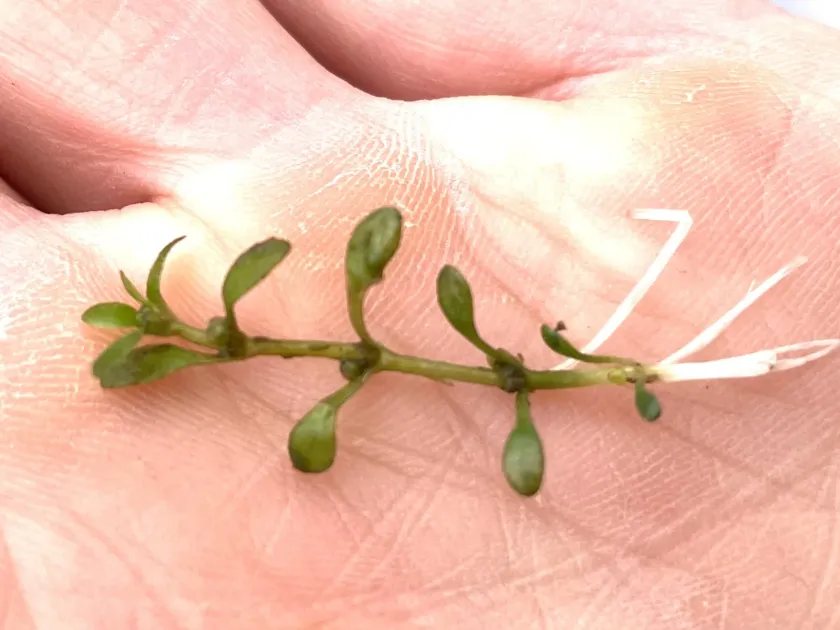
The botanical structure of the plant consists of tiny, creeping stems that form dense mats. Its leaves are distinctively spatulate, a shape that helps the plant maximize surface area for photosynthesis in shallow water environments.
Environmental requirements for Elatine spathulata include clean, stagnant or slow-moving water and substrate rich in silt. It is a highly sensitive species, often serving as a biological indicator of healthy and unpolluted wetland habitats.
While not a commercial agricultural crop, the study of its growth conditions helps in understanding the ecological resilience of wetlands and the protection of biodiversity in vulnerable aquatic zones.
Main diseases and pests
The primary threat to Elatine spathulata populations is the eutrophication of water bodies caused by runoff, which encourages dominant aquatic weeds to crowd out smaller native species.
Chemical contamination from agricultural fertilizers and industrial wastes alters the soil chemistry, leading to the decline of sensitive plant species in their natural habitats.
Various aquatic invertebrates, including specific species of snails, pose a threat to the plant by consuming its delicate foliage during the early stages of development.
Fungal infections can occur in stagnant conditions where poor water circulation and temperature spikes lead to the decay of the root system and plant tissue.
Habitat destruction resulting from human activities, such as drainage projects or livestock trampling in riparian zones, remains the most significant factor reducing its global range.