
Elatine gratioloides
Elatine gratioloides
Description
Growing requirements
Elatine gratioloides, commonly known as a type of waterwort, is a delicate aquatic herb belonging to the Elatinaceae family. It is typically found in shallow water bodies, along riverbanks, and in seasonally inundated habitats where the substrate remains constantly moist.
The native distribution of this species is primarily centered in Australia and New Zealand. As a hydrophyte, it has evolved to thrive in environments with reliable water availability, which is essential for its vegetative growth and reproduction cycles throughout the season.
For successful cultivation, the plant requires nutrient-rich, soft, and fine-grained sediments such as sand or silt. It performs best in shallow depths where light penetration is maximal, as the plant relies on consistent luminosity to maintain its characteristic low-growth form.
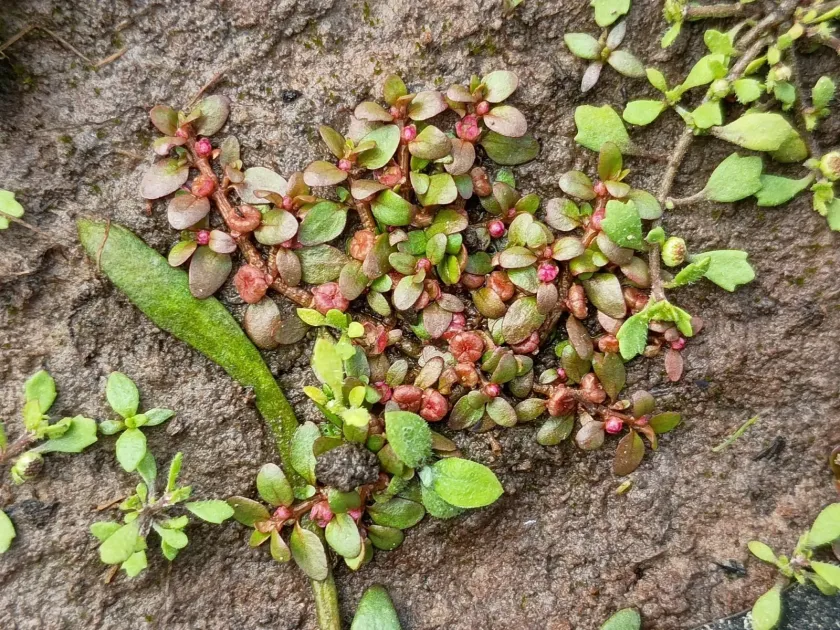
The botanical structure of Elatine gratioloides is defined by creeping stems and small, opposite leaves. Its growth habit allows it to create dense, lush carpets on the bottom of freshwater ecosystems, making it a desirable specimen for specialized aquatic landscaping.
Economically, the plant is primarily utilized in the aquarium hobby and the restoration of freshwater pond margins. While not a large-scale agricultural crop, its controlled propagation is important for maintaining biodiversity in aquatic gardening and conservation efforts.
Main diseases and pests
Fluctuations in water levels constitute the primary threat to the stability of Elatine gratioloides populations. Sudden drying of the environment or excessive flooding can severely stress the plant, leading to stunted growth or complete loss of the colony.
Fungal diseases related to poor water quality are a common concern in closed systems. Accumulation of organic waste and debris in the substrate can foster pathogenic environments that attack the delicate root system of the plant, hindering its nutrient uptake.
Pests such as aquatic snails and certain insect larvae can cause significant damage by feeding on the tender shoots and leaves. In high-density settings, these herbivores can rapidly reduce the biomass of the plant, requiring preventive measures.
Competition from aggressive aquatic algae or faster-growing hydrophytes represents a major ecological challenge. Shading caused by invasive weeds often limits the light availability necessary for photosynthesis, leading to the gradual decline of the waterwort population.
Sensitivity to chemical pollutants is a critical factor; even small amounts of runoff from agricultural land containing nitrates or herbicides can negatively impact the health of Elatine gratioloides, as it is highly vulnerable to changes in water chemistry.