
Six-stamened waterwort
Elatine hexandra
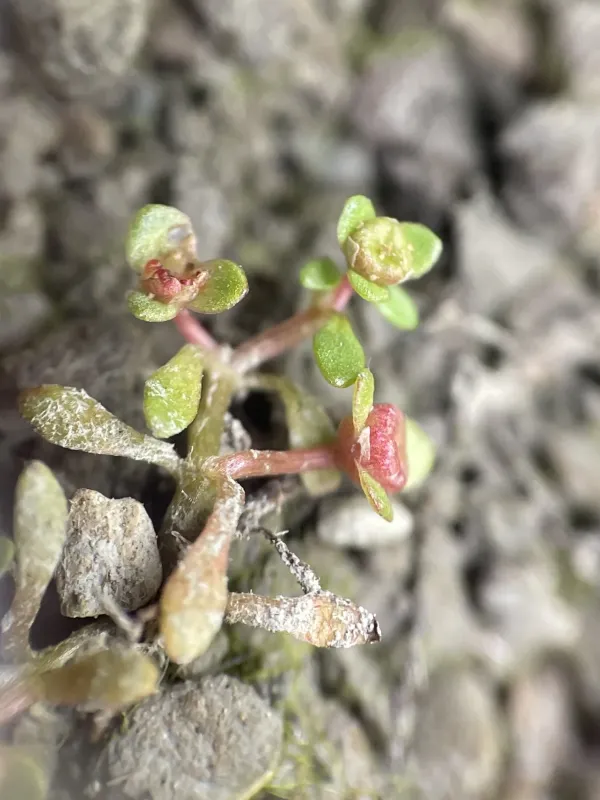
Description
Growing requirements
The six-stamened waterwort (Elatine hexandra) is a delicate aquatic plant belonging to the Elatinaceae family. It is typically found in shallow water habitats, including lakeshores, ponds, and slow-moving streams across temperate regions.
This plant thrives in clear, shallow waters where sunlight can easily penetrate to the substrate. It prefers nutrient-rich muddy or sandy bottoms that provide the necessary minerals for healthy growth.
Temperature stability is vital for this species, as it grows most vigorously in waters ranging from 15 to 25 degrees Celsius. It exhibits high adaptability by shifting between submerged and amphibious growth forms depending on water levels.
Proper aeration of the water column is essential to prevent the accumulation of toxic gases, which can inhibit the plant's metabolic processes and overall development.
While not a traditional food crop, it holds value in aquatic ecosystem management as it provides vital shelter for macroinvertebrates and small fish fry in nurseries and natural reservoirs.
Main diseases and pests
The primary threat to the six-stamened waterwort is the degradation of water quality caused by nitrogen and phosphorus runoff from agricultural activities, leading to excessive algal blooms.
Pathogenic fungi can severely damage dense populations, especially when the water remains stagnant for long periods and debris decomposes, creating anaerobic conditions.
Invasive non-native aquatic plants often compete for resources, quickly overgrowing and displacing Elatine hexandra, which cannot compete with aggressive fast-growing species.
Environmental changes, such as unexpected drainage or persistent droughts, disrupt the life cycle of this plant, often leading to total loss of vegetation patches.
The use of broad-spectrum herbicides in water body management remains a significant risk, as the plant is highly sensitive to chemical agents intended to clear waterways.