
Hungarian waterwort
Elatine hungarica
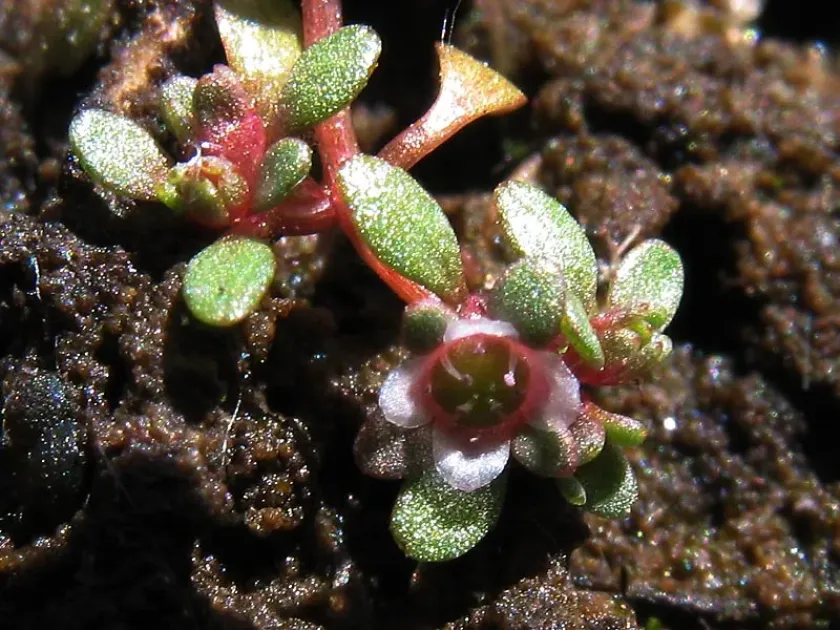
Description
Growing requirements
Hungarian waterwort (Elatine hungarica) is a small aquatic plant species belonging to the Elatinaceae family. It is typically found in specialized habitats and is generally not cultivated for commercial agricultural purposes, though it plays a role in aquatic ecosystems.
The plant is native to parts of Europe, predominantly occurring in temporary wetlands, muddy shores, and shallow water bodies. Its geographical distribution is closely linked to fluctuating water levels, which define the areas where it can establish its colonies.
Botanically, Elatine hungarica is characterized by its prostrate, creeping stems that root at the nodes, allowing it to form dense mats. The leaves are opposite and simple, which is typical for this genus, and the flowers are inconspicuous, often cleistogamous, facilitating reproduction in variable aquatic environments.
The plant thrives in nutrient-rich, moist substrates such as silt or fine sediment. It requires stable hydrological conditions where seasonal flooding and drying occur, providing the necessary window for seed germination and vegetative growth during the warmer periods of the year.
In terms of ecological usage, this species acts as a stabilizer for littoral zones. While it does not serve as a food or industrial crop, its presence is often an indicator of healthy, albeit dynamic, hydrological conditions in rural and wetland areas, contributing to the overall ecological balance of agricultural landscapes.