
California waterwort
Elatine californica
Description
Growing requirements
California waterwort (Elatine californica) is a small aquatic plant belonging to the Elatinaceae family. It is typically found in vernal pools, dried pond beds, and muddy shorelines, thriving in habitats where water levels fluctuate significantly throughout the year.
The native distribution of this species is limited to the western regions of North America, specifically within California and parts of the Pacific Northwest. It has evolved to survive in environments that transition from aquatic to semi-terrestrial, demonstrating remarkable adaptability to seasonal drying patterns.
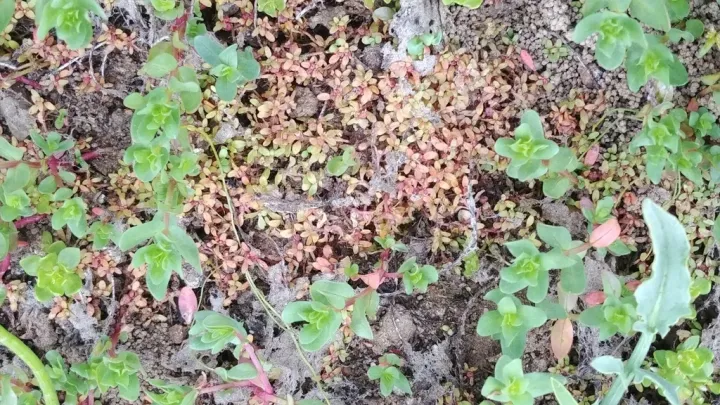
Botanically, Elatine californica is characterized by its prostrate or erect stems and small opposite leaves. Its flowers are inconspicuous and often autogamous, allowing the plant to set seeds efficiently even when environmental conditions prevent cross-pollination. This reproductive strategy is vital for a species living in ephemeral habitats.
To cultivate or support this species, one must ensure a consistent supply of moisture and nutrient-rich, fine-grained substrate. The plant requires moderate temperatures and high light intensity for optimal growth. It is highly sensitive to competition from invasive aquatic species, which can easily crowd out the delicate waterwort population.
While the plant does not have commercial agricultural applications, it remains a subject of botanical interest for ecological restoration projects. Monitoring of Elatine californica populations is often linked to the health assessment of vernal pool ecosystems and the conservation of rare wetland flora.