
Elatine ambigua
Elatine ambigua
Description
Sowing dates
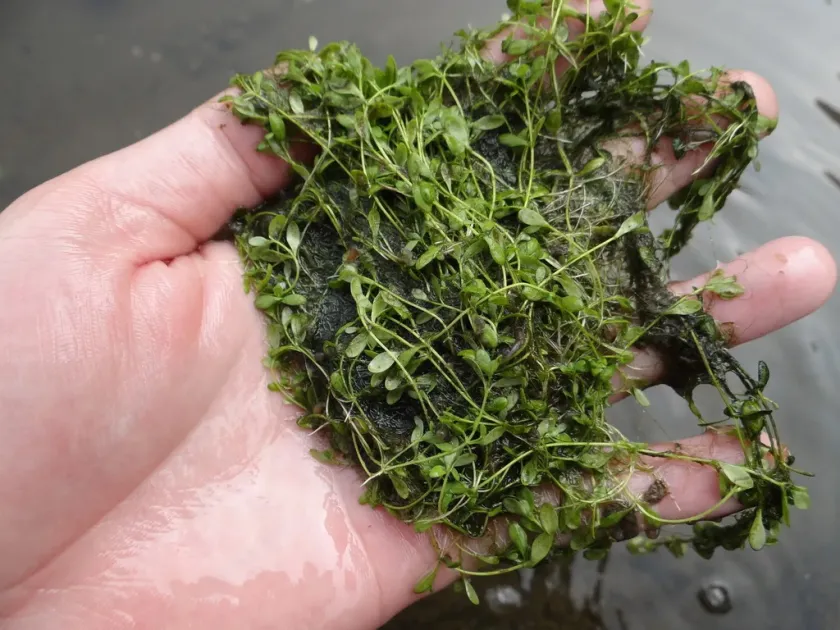
Elatine ambigua is a small herbaceous plant belonging to the Elatinaceae family. While not a traditional field crop, it is recognized for its utility in aquatic environments and ecological restoration projects.
The sowing process is typically initiated during the spring season when water temperatures reach a consistent range of 15 degrees Celsius. This timing ensures that the seeds have sufficient thermal energy for germination.
Seeds are broadcast onto moist, nutrient-rich silt or muddy substrates in shallow water. It is essential to maintain a stable water level, as the seedlings are extremely sensitive to desiccation during their early developmental stages.
For industrial or hobbyist purposes, pre-stratification of seeds in cool, damp conditions is recommended to improve the uniformity of germination and establish a healthy population density.
The planting density should be calibrated to allow the plants to form a carpet, which helps in stabilizing the substrate and outcompeting invasive aquatic weeds.
Growing requirements
This species requires a consistent aquatic environment. It is a true hydrophyte that thrives in shallow water or on saturated shorelines where the soil remains perpetually damp.
The soil should ideally be composed of fine, nutrient-dense silt. An environment with neutral to slightly acidic pH levels facilitates optimal uptake of essential minerals by the root system.
Light availability is a primary growth factor. Elatine ambigua requires high light intensity to sustain its low-growing, dense vegetation, making it unsuitable for deeply shaded areas.
Temperature stability is key to successful cultivation. The plant prefers temperate conditions, as extreme fluctuations in water temperature can inhibit metabolic processes and stunt growth.
Effective agrotechnical management involves regular monitoring of water quality parameters, including oxygenation levels and the absence of excessive chemical runoff.
Main diseases and pests
The primary threats to Elatine ambigua are related to hydrology and water chemistry. Sudden decreases in water level often lead to the rapid mortality of plant populations.
Pathogens and rot-inducing fungi can affect the plant when organic debris accumulates in the substrate. Maintaining a clean water flow or regular sediment maintenance is crucial to mitigate these issues.
Competition from aggressive aquatic algae often poses a significant challenge. These organisms can blanket the surface or substrate, depriving the plants of necessary sunlight and dissolved CO2.
Invertebrate pests, including certain species of aquatic snails and insect larvae, may feed on the tender foliage of the plant, leading to structural damage and reduced vigor.
Management of these threats focuses on biological controls and environmental optimization rather than chemical applications, which are inappropriate for aquatic habitats.