
Elatine alsinastrum
Elatine alsinastrum
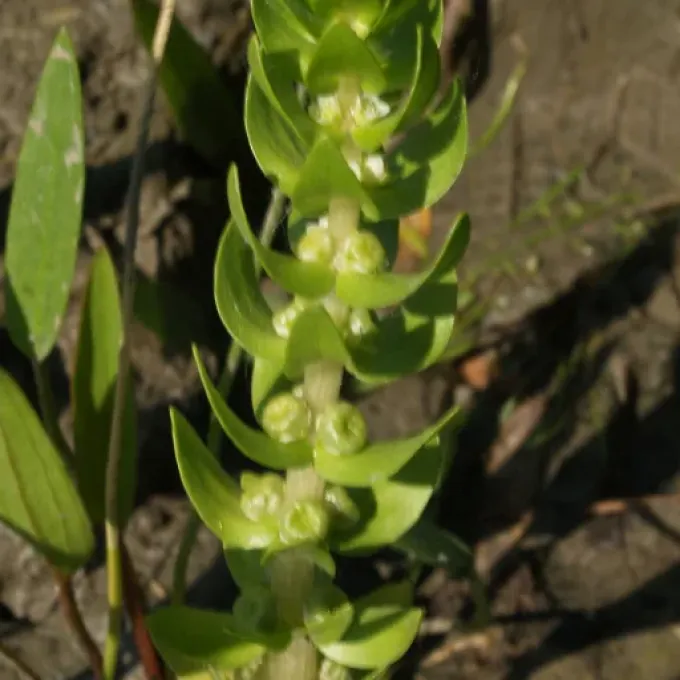
Description
Growing requirements
Elatine alsinastrum is a species of flowering plant belonging to the Elatinaceae family. It is widely known as a waterwort, adapted to thrive in wetland ecosystems.
The plant is native to temperate regions across Europe and Western Siberia. Its primary habitats include shallow ponds, riverbanks, and temporary pools that dry up during the summer season.
Optimal growth of this species requires high soil moisture levels. It prefers nutrient-rich muddy or silty substrates where water depth ranges from shallow to moderate levels during the growing phase.
Botanically, it is a small herbaceous plant characterized by its whorled leaves and tiny, sessile flowers. Its growth habit is typically prostrate, rooting at the nodes in moist soil conditions.
While not a traditional agricultural crop, it is of interest in botanical studies of aquatic weed control and serves as an indicator of water quality in rural wetland management.
Main diseases and pests
The primary threat to Elatine alsinastrum is the loss of natural habitat due to land drainage and agricultural reclamation projects that dry out wetlands.
Eutrophication of water bodies caused by runoff from nitrogen and phosphorus fertilizers significantly alters the local flora, often suppressing the growth of delicate species like the waterwort.
Fungal pathogens can affect populations growing in stagnant water, leading to root rot and tissue decay when water circulation is poor.
Aquatic insects and mollusks can pose a threat by feeding on the soft foliage, potentially hindering the plant's ability to set seeds in late summer.
Chemical pollutants, including pesticides and herbicides used in surrounding arable fields, are toxic to this species, as it absorbs dissolved substances directly through its vegetative tissues.