
Eight-stamened waterwort
Elatine hydropiper
Description
Sowing dates
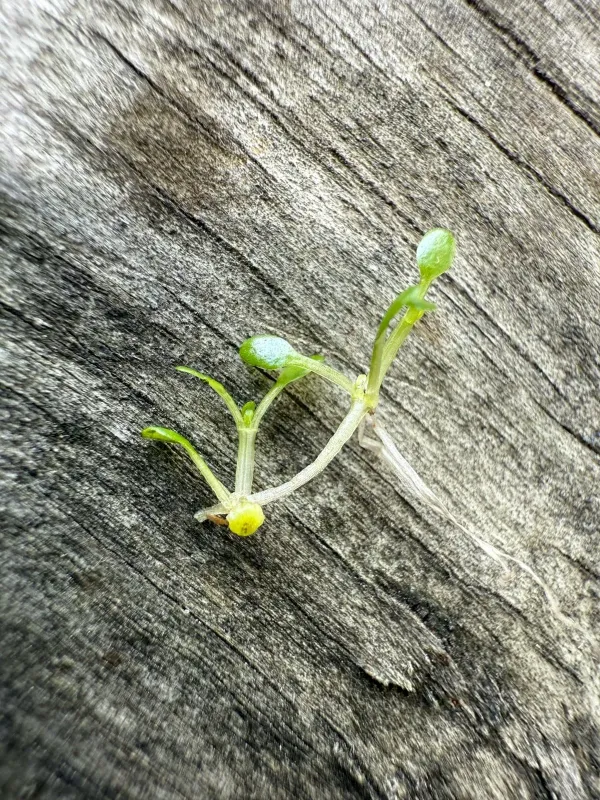
The eight-stamened waterwort (Elatine hydropiper) is an annual aquatic plant belonging to the Elatinaceae family. It is typically found in shallow, muddy environments where it completes its lifecycle in a single season.
Seed germination is triggered by the rising water temperatures and the exposure of muddy substrates in early spring. These seeds remain dormant in the sediment until conditions are ideal for growth.
The plant produces small, inconspicuous flowers that are highly adapted to aquatic or semi-aquatic environments. Self-pollination is common, ensuring reproductive success even when environmental conditions are unpredictable.
The growth cycle is closely synchronized with seasonal water level fluctuations. As water levels recede, the plant shifts its growth strategy, allowing it to thrive in both submerged and emerged states.
In terms of agricultural or environmental management, monitoring the timing of seed dispersal is crucial for understanding the population dynamics of this species in its natural habitat.
Growing requirements
This species requires nutrient-rich, soft substrates such as silt or fine sand to flourish. It is rarely found in areas with rocky or coarse gravel bottoms due to the difficulty of root attachment.
Adequate sunlight is essential for the photosynthesis and healthy development of the plant. Dense shade from canopy trees or larger aquatic vegetation often leads to a decline in plant density.
Water quality parameters, specifically the absence of high organic pollution, are vital. The eight-stamened waterwort thrives in clear, shallow waters with a neutral pH balance.
Temperature sensitivity is moderate; the plant prefers temperate conditions. Extremes in water temperature, especially prolonged overheating, can induce stress and limit the vegetative growth phase.
It occupies a niche in the littoral zone of lakes, ponds, and slow-moving streams. Maintaining a stable, shallow aquatic environment is key to supporting sustainable populations of this species.
Main diseases and pests
The primary threat to Elatine hydropiper is habitat loss due to land development and the alteration of riparian zones. Dredging activities destroy the specific sediment layer required for germination.
Nutrient loading, particularly nitrogen and phosphorus runoff from agricultural fields, facilitates algal blooms. These blooms compete for space and block the light needed by the waterwort.
Competition from invasive aquatic species represents a major challenge. Non-native weeds often grow faster and denser, effectively crowding out the native eight-stamened waterwort.
Fungal infections can occur if the water becomes stagnant or if the plant remains in a stressed state due to poor water quality. This often results in tissue decay and premature plant death.
Climate change, manifesting as unpredictable flooding or prolonged drought, can disrupt the natural hydrological cycle that the plant relies on to trigger its growth and reproductive stages.