
Elaeodendron viburnifolia
Elaeodendron viburnifolia
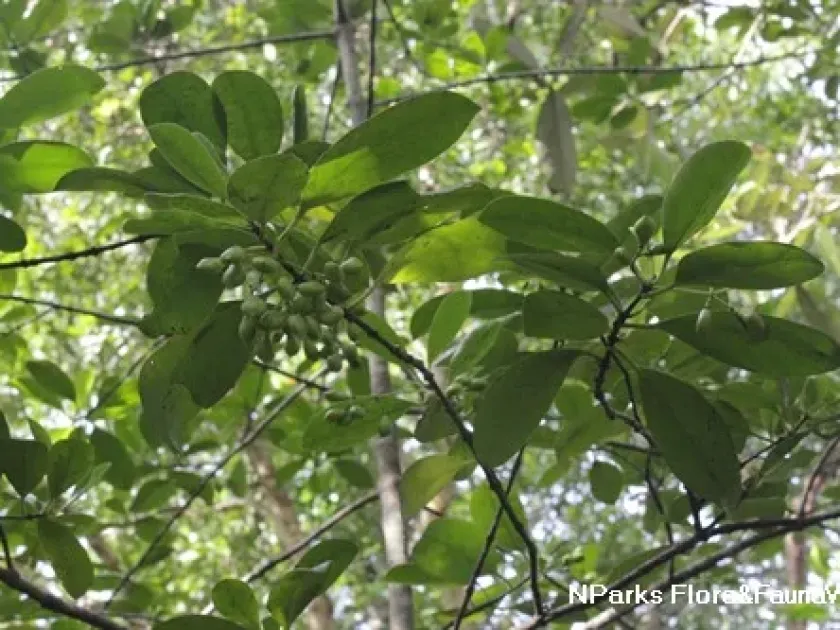
Description
Growing requirements
Elaeodendron viburnifolia belongs to the Celastraceae family and is recognized as a hardy woody species within its native tropical habitat. The plant possesses distinct botanical features, characterized by foliage that resembles that of a viburnum, hence its specific name.
The origin of this species is traced back to the tropical regions of Southeast Asia. It thrives in humid conditions and often forms part of the secondary forest canopy, demonstrating high resilience to variable light conditions.
Climate requirements involve high humidity and warm temperatures year-round. It is essential to protect young plants from cold snaps and dry winds, as they can cause significant stress to the vascular system of the tree.
Regarding soil, the plant prefers well-drained, fertile loams with a slightly acidic to neutral pH level. Proper site selection is crucial to ensure that water does not accumulate around the roots, as this is the primary cause of decline in managed settings.
Economically, the plant is utilized in specialized arboriculture and landscape development. Its wood is valued for local craft applications, and the species is also studied for its potential in pharmaceutical research due to its secondary metabolite profile.
Main diseases and pests
Pathogenic fungi are the most significant threats to Elaeodendron viburnifolia, particularly those that trigger root rot in waterlogged conditions.
Pests such as scale insects and spider mites commonly infest the foliage, especially during periods of low precipitation when the plant's natural defenses may weaken.
Management strategies involve keeping the planting area clean of fallen debris, which serves as a reservoir for spores and pest larvae during the off-season.
Integrated pest management (IPM) is strongly recommended, utilizing biological control agents and localized treatments to protect the plant's structural integrity.
Annual inspection of the root collar and canopy health ensures that potential issues are identified before they escalate into systemic outbreaks within the plantation.