
Elaeodendron schinoides
Elaeodendron schinoides
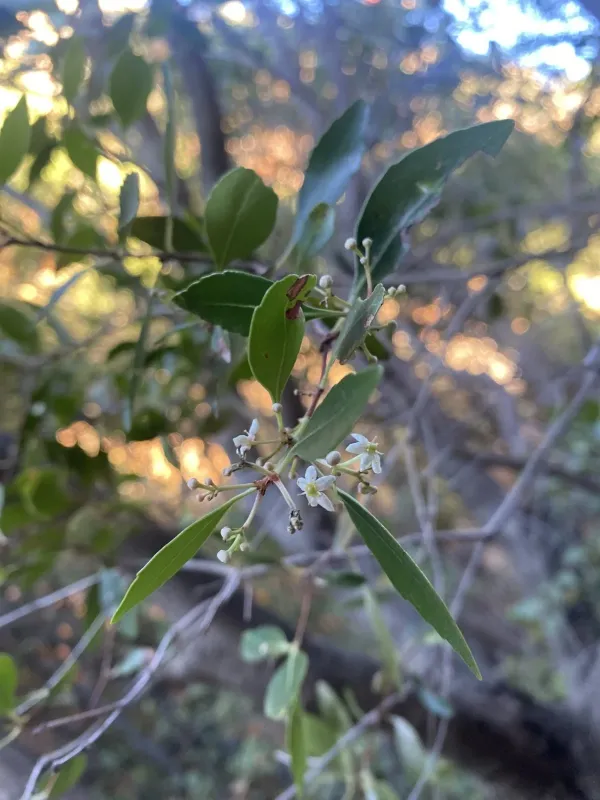
Description
Growing requirements
Elaeodendron schinoides is an evergreen tree species belonging to the Celastraceae family. Native to South Africa, it primarily inhabits forest margins and scrublands, where it thrives under specific microclimatic conditions characterized by stable moisture levels.
The cultivation of this species requires well-drained, nutrient-rich soils that allow for deep root penetration. A slightly acidic to neutral substrate provides the best environment for nutrient uptake, ensuring healthy development of the foliage and structural integrity of the branches.
Regarding climate, Elaeodendron schinoides is sensitive to extreme frost and prefers moderate temperatures. It requires sufficient sunlight to maintain its dense canopy, although it can tolerate partial shade during its initial juvenile growth stage in sheltered plantations.
Agricultural management involves regular pruning to maintain desired tree shape and promote healthy growth cycles. Irrigation should be carefully regulated, especially in containerized nursery environments, to prevent moisture stress while ensuring the soil does not become waterlogged.
Economically, the species is valued for its hard and durable wood, often utilized in high-end carpentry and ornamental projects. Furthermore, its evergreen nature makes it a significant asset for urban greening and reforestation efforts in subtropical regions.
Main diseases and pests
The primary diseases affecting Elaeodendron schinoides include fungal leaf spots and various forms of root rot. These pathogens typically emerge in environments with poor ventilation, highlighting the necessity for proper spacing between individuals during planting.
Pest management is focused on controlling scale insects and mealybugs, which are common culprits in damaging the tender bark of young shoots. Integrated pest management strategies, such as biological control and targeted insecticidal soaps, are highly recommended.
Soil-borne nematodes can pose a significant risk to the root system, particularly in reclaimed forest soils. Implementing proper crop rotation or using sterilized growing media in nurseries is essential for preventing long-term damage to the tree's vital organs.
Nutritional deficiencies often manifest as chlorosis or stunted leaf development. Regular soil testing and the application of balanced NPK fertilizers with trace elements are necessary to sustain the high vigor required for this evergreen species.
Mechanical injuries resulting from heavy pruning or environmental factors can facilitate the entry of secondary wood-decay fungi. Applying protective sealants to larger wounds is a standard horticultural practice to preserve the longevity of the specimen.