
Elaeodendron australe
Elaeodendron australe
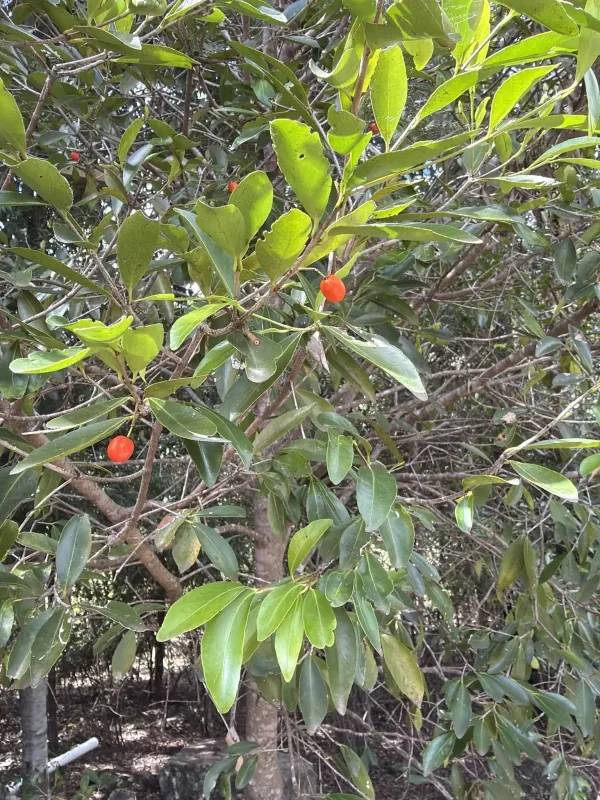
Description
Growing requirements
Elaeodendron australe, commonly known as the Australian olive, is an evergreen tree belonging to the Celastraceae family. It is recognized for its glossy foliage and its ability to thrive in coastal environments, making it a staple in various temperate to subtropical landscapes.
Originating from the eastern coastal regions of Australia, this species is typically found in rainforest margins and sclerophyll forests. Its natural distribution suggests a preference for environments with stable humidity and moderate temperatures throughout the year.
The cultivation of this plant requires well-drained, nutrient-rich soil. It thrives in full sun to partial shade, although younger trees benefit significantly from protection against intense, direct sunlight during the peak of summer to avoid leaf scorch.
Regarding water management, Elaeodendron australe requires consistent moisture. While it can withstand short periods of dryness once established, regular irrigation is crucial for maintaining the lush appearance of the foliage and promoting healthy structural development.
In terms of хозяйственное use, the species is primarily valued for its ornamental properties. It is often employed in garden design as a standalone specimen or as part of a dense hedging structure, providing effective screening and aesthetic value due to its uniform growth habit.
Main diseases and pests
The culture is susceptible to common sap-sucking insects, such as scale insects and mealybugs. These pests tend to congregate on the undersides of leaves and along young stems, potentially weakening the plant if left untreated.
Fungal issues, including leaf spot and powdery mildew, may occur during periods of high humidity and poor air circulation. Proper spacing between trees is essential to ensure adequate airflow and reduce the incidence of these pathogens.
Root rot remains the most significant threat, typically associated with waterlogged soil or poor drainage conditions. Preventing moisture buildup at the base of the trunk is vital for ensuring the longevity of the plant in a landscape setting.
Integrated Pest Management (IPM) practices are highly recommended for Elaeodendron australe. This involves the use of beneficial insects, horticultural oils for localized outbreaks, and careful irrigation scheduling to mitigate environmental stress.
Regular maintenance pruning is also a form of threat management. Removing dead or overlapping branches improves the plant's structural integrity and removes potential niches where pests and fungal spores could flourish.