
Oriental marblewood
Elaeodendron orientale
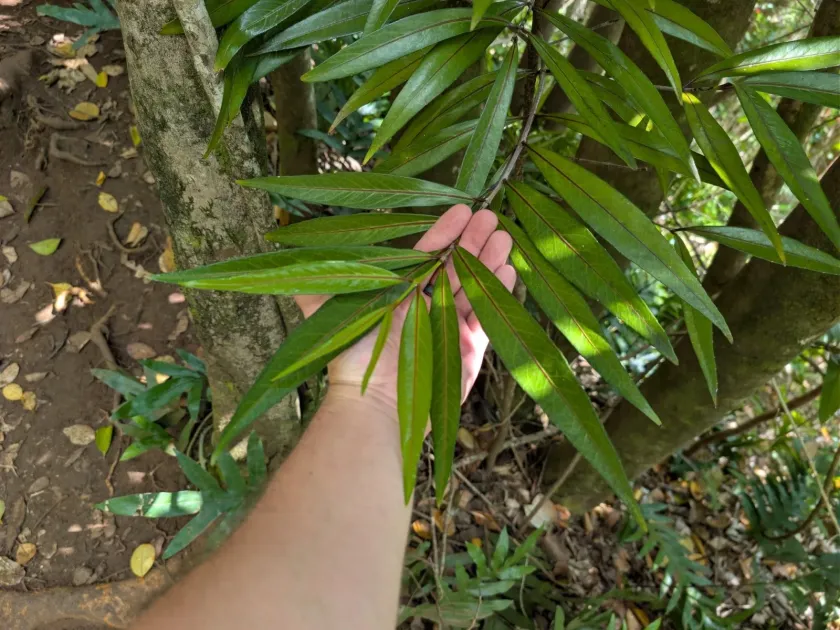
Description
Growing requirements
Elaeodendron orientale, commonly known as the Oriental marblewood, is a species of flowering plant in the family Celastraceae. It is native to the islands of the Indian Ocean, primarily Mauritius, where it thrives in humid tropical forest environments.
The tree requires a tropical climate to grow effectively. It is highly sensitive to frost and cold drafts, necessitating controlled greenhouse conditions or indoor maintenance in temperate regions, where it is often grown as an ornamental specimen.
Soil requirements include a well-draining, nutrient-rich substrate. A mix of peat, perlite, and organic compost is ideal for maintaining the necessary moisture levels while preventing root saturation, which is the primary cause of decline in this species.
Adequate light is essential for the species, particularly for the development of its distinctive foliage. Bright, filtered sunlight is preferred; intense direct exposure can cause scorching, while low-light conditions result in sparse growth and leaf loss.
Regular fertilization with balanced nutrients during the growing season is recommended to support foliage production. Consistent misting or the use of humidifiers is necessary to replicate the naturally high humidity levels of its native habitat.
Main diseases and pests
Spider mites are a common pest in indoor environments where humidity levels fluctuate. These microscopic insects feed on sap and can quickly cause significant damage to the leaves if not treated with appropriate acaricides or systemic controls.
Scale insects frequently target the stems and leaf undersides, appearing as small bumps. They can be manually removed or treated with horticultural oils to prevent them from sapping the plant's vigor and promoting the growth of sooty mold.
Root rot, often caused by Pythium or Phytophthora species, occurs when the soil remains waterlogged for extended periods. This condition is difficult to treat once advanced, so prevention through proper watering techniques is vital.
Fungal leaf spots may appear if there is poor air circulation around the plant. Proper spacing and the use of fans in greenhouse settings can significantly reduce the risk of humidity-related pathogens infecting the foliage.
Nutrient deficiencies, specifically nitrogen or iron, can cause chlorosis. If the leaves turn pale while veins remain green, soil pH adjustment or the application of chelated iron supplements is necessary to restore healthy green color.