
Saffronwood
Elaeodendron croceum
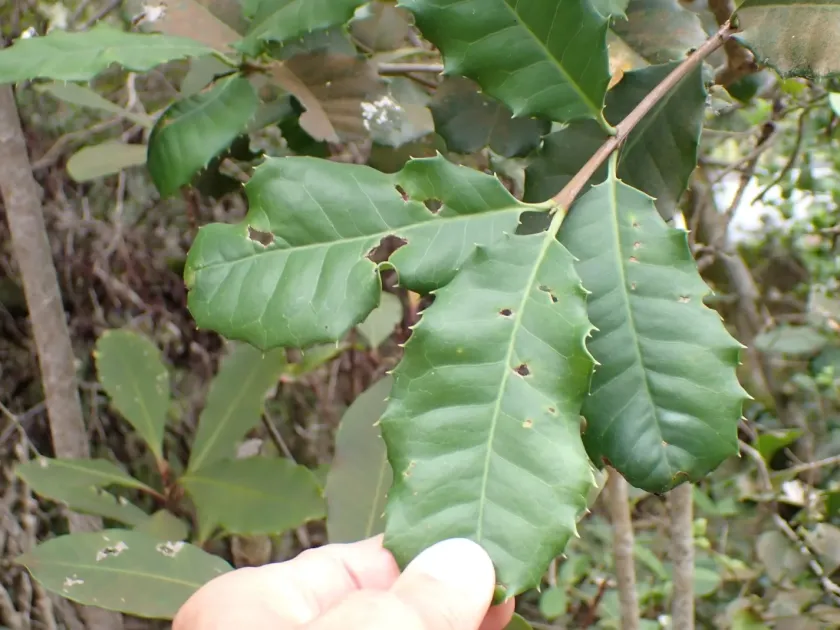
Description
Growing requirements
Saffronwood (Elaeodendron croceum) is a prominent evergreen tree species belonging to the family Celastraceae. It is indigenous to the forest regions of Southern Africa, where it plays a significant role in the local ecosystem as a resilient woody perennial.
This species requires deep, well-draining soil rich in organic matter to thrive. It performs best in environments that provide moderate shelter from intense sun exposure during its early developmental years, as the young canopy is sensitive to rapid dehydration.
The climatic conditions ideal for Saffronwood involve temperate to subtropical regimes with consistent precipitation throughout the year. It lacks high cold tolerance and should be protected from harsh frosts to ensure healthy growth and long-term survival.
Agricultural management includes regular monitoring of soil moisture, providing irrigation during dry spells, and applying organic mulch to protect the roots. Given its slow growth habit, competitive vegetation control is necessary to allow the saplings to establish themselves effectively.
The primary economic value of this tree lies in its timber, which is highly prized for its durability, dense texture, and unique saffron-yellow color. It has been historically used in fine woodworking, joinery, and the production of decorative furniture and carving materials.
Main diseases and pests
The most common threats to the health of the tree are fungal pathogens affecting the root system, usually triggered by waterlogged conditions or poor site drainage. Preventive measures such as soil aeration are essential to mitigate these risks.
Insect pests, specifically scale insects and mealybugs, can infest the foliage, leading to stunted growth. Implementing integrated pest management strategies is recommended to maintain the vigor and aesthetic value of the trees throughout the growing cycle.