
Elaeodendron glaucum
Elaeodendron glaucum
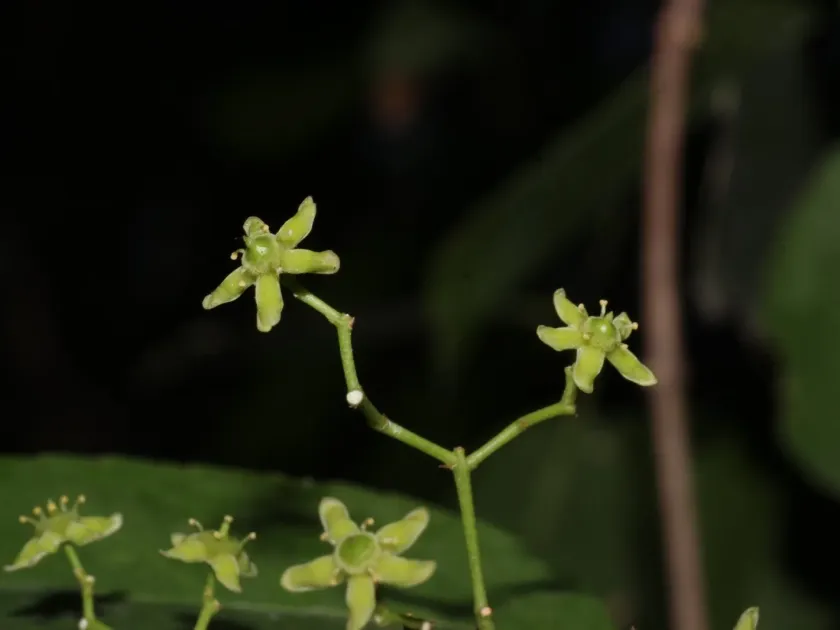
Description
Growing requirements
Elaeodendron glaucum is a distinctive evergreen tree belonging to the Celastraceae family, native to various tropical and subtropical regions of Asia.
The plant thrives in warm, humid climates and requires consistent exposure to sunlight to maintain its characteristic glaucous leaf coloration and overall health.
It adapts to diverse soil conditions but performs best in well-draining loamy soils where the risk of waterlogging is minimized through proper management.
Optimal growth requires a stable environment with protection from extreme, drying winds which can cause significant stress to young trees.
Agronomic management involves maintaining soil fertility through organic amendments to ensure the tree has access to essential nutrients throughout its growth cycle.
Yield
The economic value of this crop is primarily derived from its applications in ethnopharmacology, where extracts are utilized for their bioactive compounds.
The timber of Elaeodendron glaucum is highly regarded for its density and durability, making it suitable for high-quality carpentry and decorative items.
Sustainable harvesting techniques are essential when collecting bark or leaves to preserve the long-term vitality of the trees within the plantation.
Its role as an ornamental tree in tropical landscaping further increases its demand, particularly in regions where its evergreen foliage provides shade and beauty.
Yield metrics, such as the volume of biomass produced annually, are heavily influenced by local rainfall patterns and the level of agricultural intervention provided.
Main diseases and pests
Fungal pathogens represent the most significant threat to Elaeodendron glaucum, especially during periods of excessive rainfall or poor air circulation.
Insect pests, including various aphids and foliage-feeding caterpillars, can cause significant cosmetic and physiological damage if left unmanaged.
Integrated pest management strategies are recommended, focusing on natural biological control agents to minimize reliance on synthetic chemicals.
Sanitation practices, such as removing fallen leaves and pruning infected branches, are critical to limiting the spread of disease within a nursery or orchard.
Regular inspections of the root zone are necessary to prevent root rot, which is a common physiological response to soil moisture mismanagement.