
Elaeodendron transvaalense
Elaeodendron transvaalense
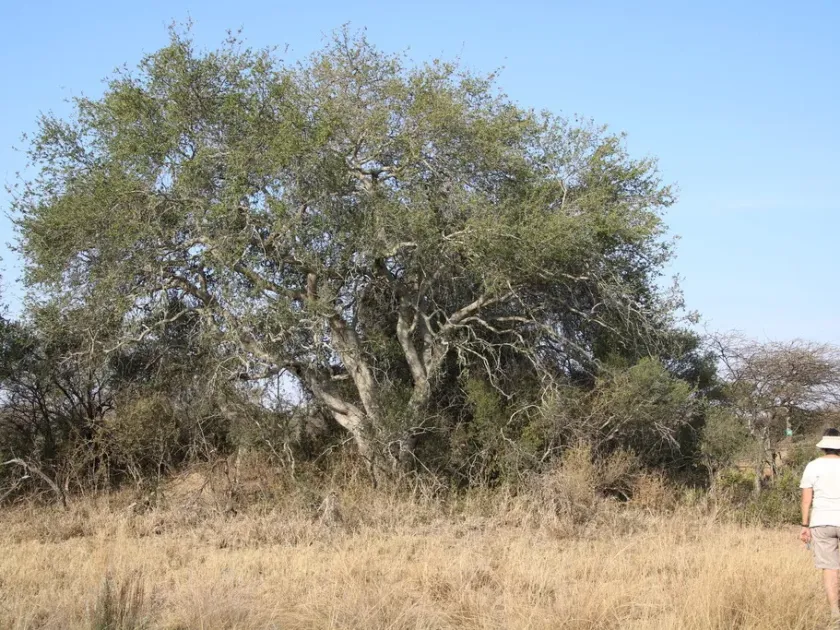
Description
Growing requirements
Elaeodendron transvaalense is a hardy, evergreen tree belonging to the Celastraceae family. It is widely recognized in Southern Africa for its resilience and ability to thrive in diverse ecological niches, from woodlands to rocky outcrops.
Native to countries like South Africa, Botswana, and Namibia, this species is well-adapted to high temperatures and seasonal drought. Its growth habit is typically slow, allowing it to develop a robust root system capable of accessing deep groundwater.
Cultivation requires well-draining soil with a pH ranging from neutral to slightly acidic. Providing full sun exposure is essential for maintaining the tree's health and density of its characteristic dark green foliage.
Water management is crucial during the establishment phase, though mature specimens are remarkably drought-tolerant. Irrigation should be minimized once the root system is fully developed to prevent physiological stress.
The economic value of this tree is significant, primarily due to its role in traditional medicine. The bark and roots are processed to create various herbal remedies, making it a valuable crop for sustainable agroforestry projects.
Main diseases and pests
The most common threats to the tree's health are fungal pathogens, specifically those that thrive in waterlogged soil. Root rot can significantly inhibit growth and lead to the death of the specimen if not addressed promptly.
Pests such as aphids and scale insects occasionally attack the tender shoots and leaves. Regular monitoring and physical removal are often sufficient to keep populations at levels that do not cause significant damage.
Environmental factors like prolonged frost can cause damage to younger branches, requiring protective measures in colder climates. Proper site selection is the best preventative strategy against climatic stress.
Over-harvesting of the bark for traditional medicine poses a major threat to wild populations. Establishing managed plantations is essential to ensure a sustainable supply without harming the natural ecosystem.
Good agricultural practices, including mulching to maintain soil structure and avoiding deep cultivation near the roots, are vital to prevent opportunistic infections and ensure the longevity of the orchard.