
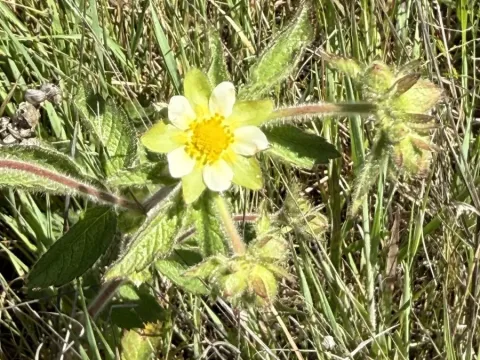
Drymocallis
Drymocallis
Drymocallis is a genus of perennial herbs belonging to the Rosaceae family. These plants are closely related to the Potentilla genus and share similar morphological traits, often being categorized as part of the Potentilla complex in various botanical classifications.
What the section contains


Drymocallis
The plant thrives in well-lit environments and is best suited for sunny locations in gardens or rockeries. It is highly adaptable to a wide range of temperate climates, showing significant hardiness against cold temperatures during winter months.
When it comes to soil conditions, Drymocallis prefers well-draining, moderately fertile soils. It is crucial to avoid heavy, clay-rich substrates that tend to retain water, as these can lead to root system health issues due to excessive moisture retention.
Proper cultivation requires a balanced approach to watering. While the plant is somewhat drought-tolerant once established, providing consistent moisture during the initial growth phase and throughout the blooming season will result in much healthier and more vibrant foliage.
In terms of landscape usage, Drymocallis is predominantly valued as an ornamental groundcover. Its habit of forming dense, low-growing mats makes it an excellent choice for stabilizing soil in rock gardens and creating lush borders that require minimal maintenance.
Like many members of the Rosaceae family, Drymocallis can be susceptible to common garden pests such as aphids and spider mites. These insects typically target tender new growth and can be managed through regular monitoring and appropriate horticultural soap applications.
Fungal diseases are a primary threat, particularly powdery mildew, which can spread rapidly in humid, stagnant air conditions. To minimize this risk, it is essential to ensure proper spacing between plants to allow for adequate airflow and ventilation.
Root rot, caused by poor drainage and waterlogged soil, remains the most significant physiological disorder for this genus. Prevention involves ensuring that planting sites are sufficiently elevated or amended with sand and gravel to improve drainage.
Sanitation practices play a vital role in maintaining the health of Drymocallis. Removing dead or diseased foliage at the end of the season prevents the overwintering of fungal spores and helps reduce the incidence of disease in the following spring.
Integrated pest management, combining cultural practices like proper watering with the use of targeted control agents, is recommended for long-term health. Regular maintenance ensures the longevity of the plant and keeps it resistant to environmental stressors.