
Drymocallis glandulosa
Drymocallis glandulosa
Description
Growing requirements
Drymocallis glandulosa, commonly known as the sticky cinquefoil, belongs to the Rosaceae family. This perennial herb is native to western North America, where it thrives in a variety of habitats ranging from subalpine meadows to dry slopes.
To cultivate this species successfully, one must provide well-drained, sandy, or rocky soil. The plant is highly sensitive to waterlogged conditions, making proper soil structure and efficient drainage essential for healthy root development.
In terms of climate, Drymocallis glandulosa is remarkably resilient, capable of enduring cold winters and dry summer conditions. It thrives in full sun exposure, which encourages denser foliage and a more prolific flowering display during the growing season.
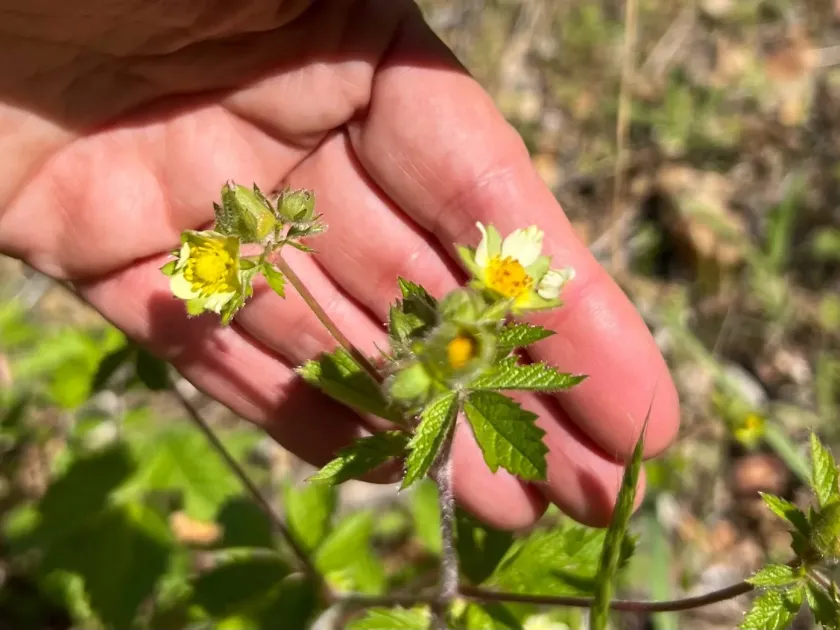
The botanical characteristics are defined by glandular hairs on the stems and leaves, which give the plant its characteristic texture and sticky feel. These glandular structures serve as a defense mechanism and a means to manage moisture levels.
The plant is primarily utilized in xeriscaping and native plant gardens. Because of its durability and natural appearance, it is an excellent candidate for sustainable landscaping and ecological restoration projects in temperate regions.
Main diseases and pests
Drymocallis glandulosa is naturally robust, but it can be susceptible to root rot if the soil remains excessively damp. Ensuring that the soil profile is not too heavy or clay-like is the best prevention against these fungal complications.
Pests such as aphids or spider mites can occasionally affect the plant during the early growth stages. Integrated pest management, including the use of neem oil or insecticidal soap, is often sufficient to keep populations in check.
Powdery mildew may occur when plants are placed in areas with stagnant air. Providing adequate spacing between individual plants improves air circulation and significantly reduces the probability of leaf pathogens establishing themselves.
Regular maintenance, including the removal of dead foliage, is recommended to discourage pests from using the plant as a hiding spot. A clean growing environment is key to maintaining the long-term health of the species.
Overall, monitoring the plant for signs of stress, such as yellowing leaves or wilting, allows for quick intervention. By adjusting watering practices or improving drainage, most issues can be resolved without heavy pesticide use.