
Dupont's Rose
Rosa dupontii
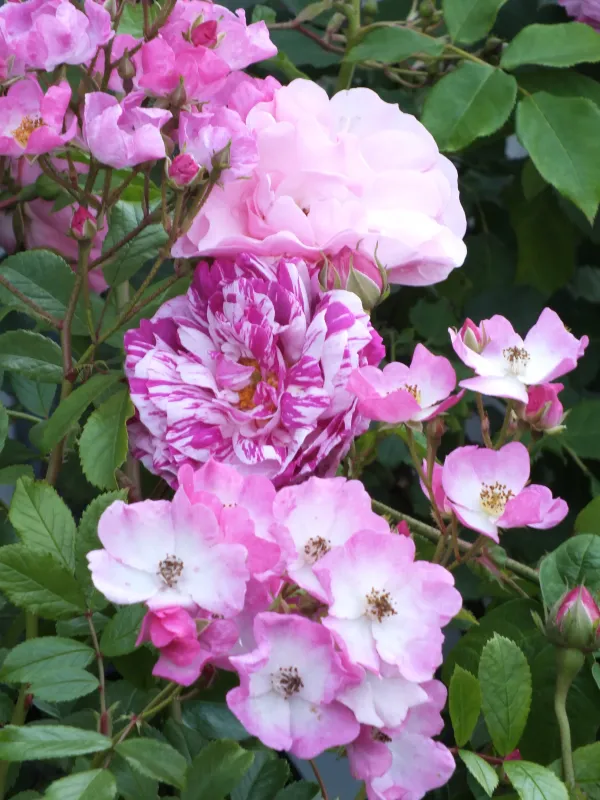
Description
Growing requirements
Dupont's Rose (Rosa dupontii) is a member of the Rosaceae family. It is a distinguished ornamental shrub, recognized as a hybrid of historical significance, often associated with the early 19th-century French horticultural tradition.
The plant thrives in well-drained, fertile soil with a neutral to slightly acidic pH. It requires locations with full sun exposure to ensure optimal blooming and to prevent excessive moisture retention on the foliage, which can trigger fungal growth.
Climate requirements involve moderate temperature zones, though the plant shows good resilience. During winter, it is advisable to protect the base of the shrub with organic mulch, particularly in colder regions to prevent soil freezing around the roots.
Agronomic practices focus on periodic pruning to maintain structural health and stimulate new growth. It is essential to remove damaged or dead wood during the dormant season to ensure the bush remains vigorous throughout the following year.
The primary use of this culture is within decorative landscaping. Due to its elegant white flowers and historical value, it is frequently used by gardeners and botanical institutions to preserve genetic diversity and enhance the aesthetics of private and public gardens.
Main diseases and pests
Typical threats for Rosa dupontii include black spot (Diplocarpon rosae) and powdery mildew. These diseases are exacerbated by poor air circulation and high humidity, making thinning out of the central branches an essential maintenance task.
Common pests affecting the rose include aphids (Aphididae) and spider mites, which feed on the sap and leaves. Integrated pest management strategies, such as biological control or localized application of mild insecticides, are recommended to maintain plant vitality.