
Drymocallis arguta
Drymocallis arguta
Description
Growing requirements
Drymocallis arguta, commonly known as prairie cinquefoil, is a sturdy perennial herb belonging to the Rosaceae family. It is recognized for its botanical significance and resilience in various North American grassland ecosystems.
The plant originates from central and western North America, where it naturally occupies prairies, rocky slopes, and open woodlands. Its broad native range indicates a high level of phenotypic plasticity, allowing it to thrive in diverse environmental conditions.
Regarding soil and climate, the species requires full sun exposure and well-drained soil substrates. It is exceptionally drought-tolerant once established, making it a valuable candidate for xeriscaping or low-maintenance agricultural plots that do not rely on constant irrigation.
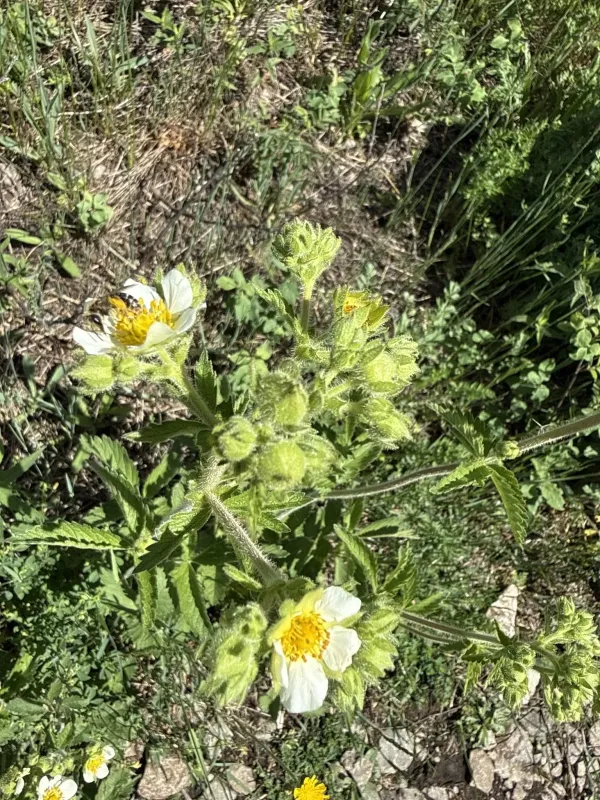
Botanically, the plant features glandular-pubescent stems and pinnately compound leaves with coarsely serrated margins. The yellow to cream-colored flowers bloom in dense clusters, serving as a vital resource for native pollinators and beneficial insects during the mid-summer season.
In terms of хозяйственное (economic) utility, Drymocallis arguta is utilized for ecological restoration projects, ornamental landscaping, and as a component of wild-flower seed mixes. Its root system is effective in soil stabilization, which is an important aspect of managing eroded terrain.
Main diseases and pests
The primary threats to healthy populations include root rot caused by poor soil drainage and stagnant moisture during the dormant season. Ensuring that the soil remains aerated is the most critical preventative measure against common fungal pathogens.
Insects like aphids or leaf-feeding beetles can occasionally cause damage to tender foliage during the spring. Monitoring is essential, although the species is generally robust enough to recover without chemical intervention if cultural practices are sound.