
Drymocallis fissa
Drymocallis fissa
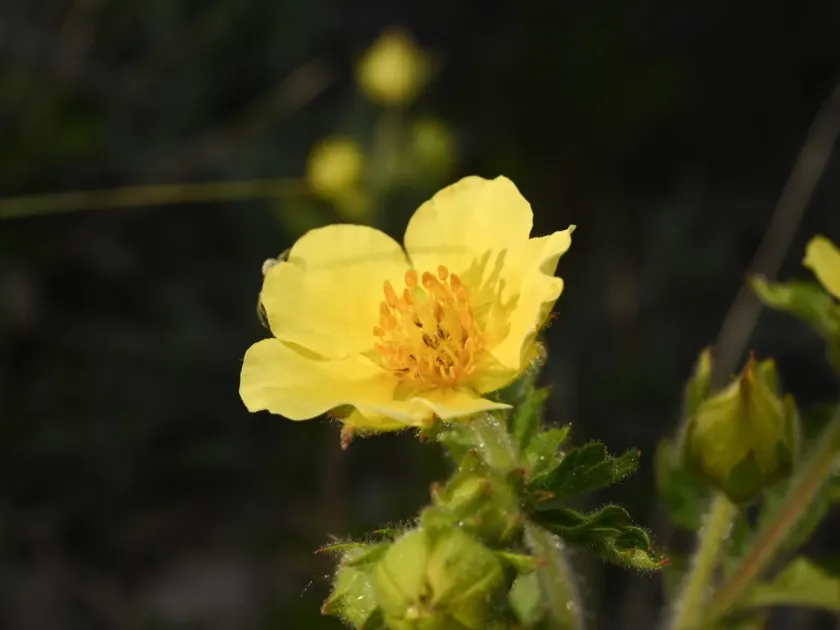
Description
Growing requirements
Drymocallis fissa, commonly known as mountain cinquefoil, is a perennial herb belonging to the Rosaceae family. This species is native to rocky and high-altitude habitats of North America, where it has evolved to thrive in nutrient-poor and structurally complex environments.
The plant requires well-draining, gritty, or sandy soil to succeed in an agricultural or garden setting. Its roots are highly susceptible to rot if subjected to constant saturation, making the addition of gravel or coarse sand to the planting medium essential in heavier soils.
Exposure to full sunlight is a fundamental requirement for the healthy development of this species. In areas with inadequate light, the plants exhibit etiolation, producing weak stems that are less capable of supporting the characteristic floral displays of the genus.
In terms of climatic adaptation, Drymocallis fissa is remarkably winter-hardy and well-suited for temperate zones. It thrives in regions with clear, distinct seasons and can tolerate significant temperature fluctuations that would damage more sensitive ornamental species.
Agronomic management involves minimal intervention. Maintenance of soil structure through light cultivation and the removal of competing weeds are the primary tasks. Fertilization should be sparing, as the plant is adapted to naturally low-fertility soils and thrives best when encouraged to establish deep, exploratory root systems.
Main diseases and pests
The primary threats to the health of Drymocallis fissa include fungal pathogens that exploit overly moist conditions. Root rot, caused by various species of Phytophthora and Pythium, remains the most significant threat to plant longevity in poorly drained agricultural environments.
Insects such as leaf miners and mites can occasionally pose a problem during periods of heat stress. Regular scouting of foliage is necessary to detect these pests before they reach levels that compromise the plant's aesthetic value and overall vigor.
Powdery mildew may occur if atmospheric humidity levels remain consistently high without adequate airflow. Preventive measures include maintaining appropriate planting density to allow for natural breeze penetration and rapid drying of leaf surfaces following precipitation.
Soil-borne nematodes can potentially cause stunted growth if the plant is established in heavily contaminated soils. Using sterile potting mixes or performing a pre-planting soil analysis is recommended to ensure a clean starting environment for the perennial crop.
Overall, the plant demonstrates excellent resilience when provided with a proper horticultural environment. By mimicking its native rocky habitat, growers can effectively mitigate the majority of biological threats without the frequent application of chemical pesticides.