
Drymocallis corsica
Drymocallis corsica
Description
Growing requirements
Drymocallis corsica is a perennial herbaceous plant belonging to the Rosaceae family. Native to the island of Corsica, it is typically found in high-altitude mountain environments, showcasing a robust nature adapted to challenging conditions.
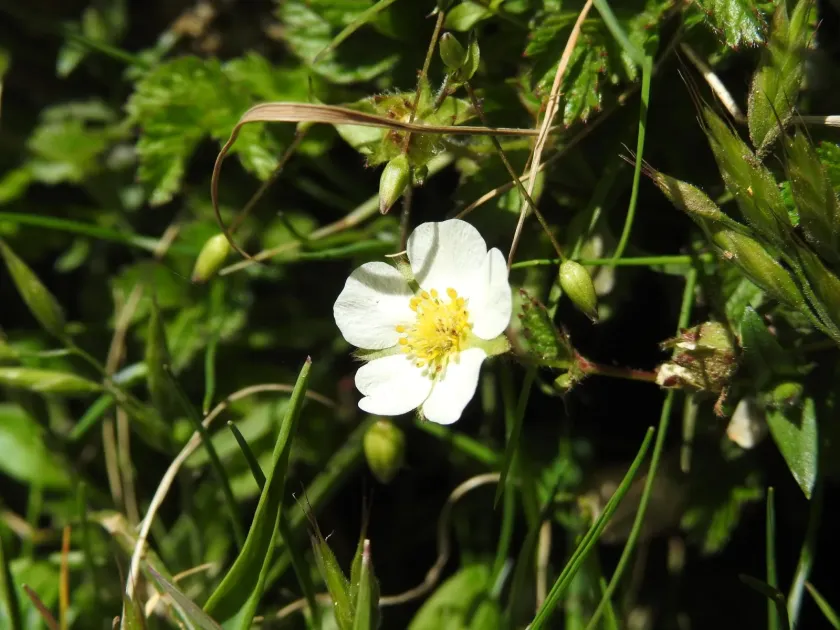
The botanical structure consists of a basal rosette of pinnate leaves and slender flowering stems. The plant produces delicate yellow flowers, which are characteristic of the genus and add aesthetic value to its natural habitat.
In terms of climatic requirements, this plant thrives in cool, well-lit environments. It is well-adapted to the fluctuations typical of mountainous regions, making it resilient to cold, though it prefers moderate summer temperatures.
Soil requirements focus on excellent drainage and a loose, stony, or sandy texture. It is essential to ensure that the substrate is not waterlogged, as the root system is highly susceptible to rot if moisture levels remain consistently high.
Horticulturally, it is utilized primarily for rock gardens and alpine displays. Its compact growth habit makes it an ideal candidate for gardeners looking to preserve native or endemic species within controlled landscape settings.
Main diseases and pests
Fungal diseases are the primary threat to the stability of Drymocallis corsica populations. Root rot, caused by standing water in the soil, remains the most critical issue for cultivators to monitor.
Pests such as aphids and spider mites can occasionally compromise plant vitality. These pests are particularly active during dry spells or in conditions where air circulation around the basal foliage is inadequate.
To prevent disease, it is recommended to maintain a strictly controlled watering schedule, allowing the soil to dry out partially between irrigation sessions. Proper spacing is necessary to facilitate good airflow.
Chemical treatments should be used sparingly, prioritizing biological controls that ensure the safety of the surrounding ecosystem. Monitoring the underside of the leaves is a common practice to detect early signs of infestation.
Regular maintenance, including the removal of dead foliage and debris, helps minimize the accumulation of pathogens. Healthy plants are generally robust enough to withstand minor pest pressure if environmental conditions are kept optimal.