
Drosanthemum speciosum
Drosanthemum speciosum
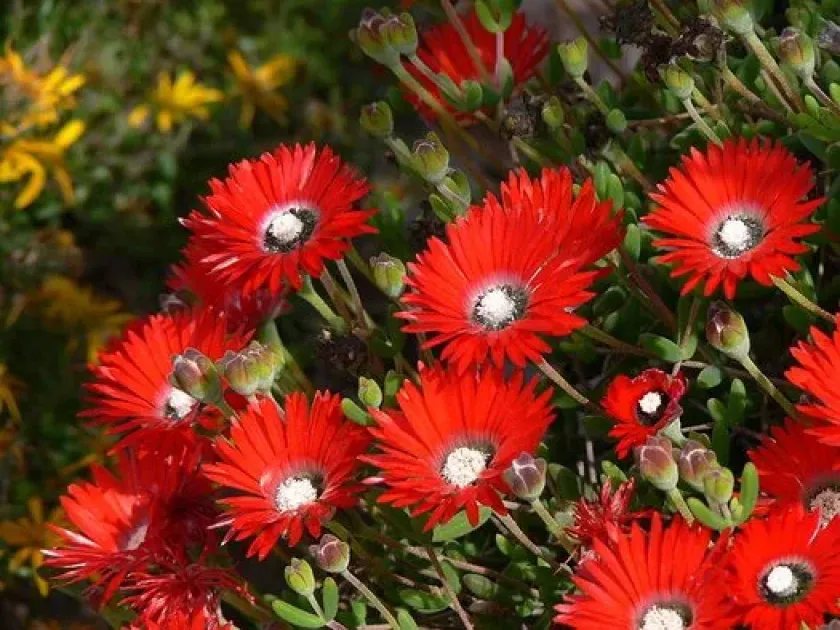
Description
Growing requirements
Drosanthemum speciosum is a prominent member of the Aizoaceae family, widely recognized for its vibrant flowering displays. Originating from the arid regions of South Africa, it has evolved to survive in nutrient-poor, sandy, and stony habitats with significant seasonal drought.
The plant is a small, succulent shrub with sprawling stems and succulent, cylindrical leaves. A distinguishing feature is the presence of crystalline papillae on the foliage, which glitter in the sun and provide the plant with its characteristic "ice plant" appearance.
Cultivation requires full, direct sunlight exposure for the majority of the day. Without sufficient light intensity, the plant becomes leggy and loses its ability to produce its characteristic bright red or orange flowers, which are the main horticultural value of the species.
The substrate must be extremely well-drained. A mixture of gravel, coarse sand, and a small amount of organic loam is recommended to mimic the natural environment. Ensuring that water flows through the root zone quickly is critical for preventing physiological stress.
Temperature requirements are strictly Mediterranean to subtropical. The plant cannot survive freezing temperatures and must be brought indoors during winter in colder climates. It prefers dry conditions during the dormant period to ensure survival and health for the next growing season.
Main diseases and pests
The most significant threat to Drosanthemum speciosum is root rot, triggered by overwatering or poor soil drainage. The succulent tissues are prone to fungal infection if the root zone remains consistently damp, leading to rapid tissue death and plant loss.
Mealybugs are the primary pest concern for this species. They often settle in the junctions between leaves, where they are difficult to reach. Regular monitoring is essential to prevent these insects from weakening the plant and encouraging secondary fungal infections.
Spider mites can also cause damage in dry, stagnant air conditions. While the plant prefers dry environments, adequate air circulation is necessary to deter mite infestations and keep the foliage free of dust and debris.
Maintenance involves careful pruning to remove dead or damaged branches. This practice prevents the accumulation of decaying matter within the dense structure of the plant, which is a common site for fungal growth and pathogen accumulation.
When chemical treatment is necessary, only products specifically labeled for succulents should be used, as many traditional pesticides contain oils or solvents that can damage the delicate waxy cuticle of the leaves and interfere with the plant's natural gas exchange.