
Drosanthemum globosum
Drosanthemum globosum
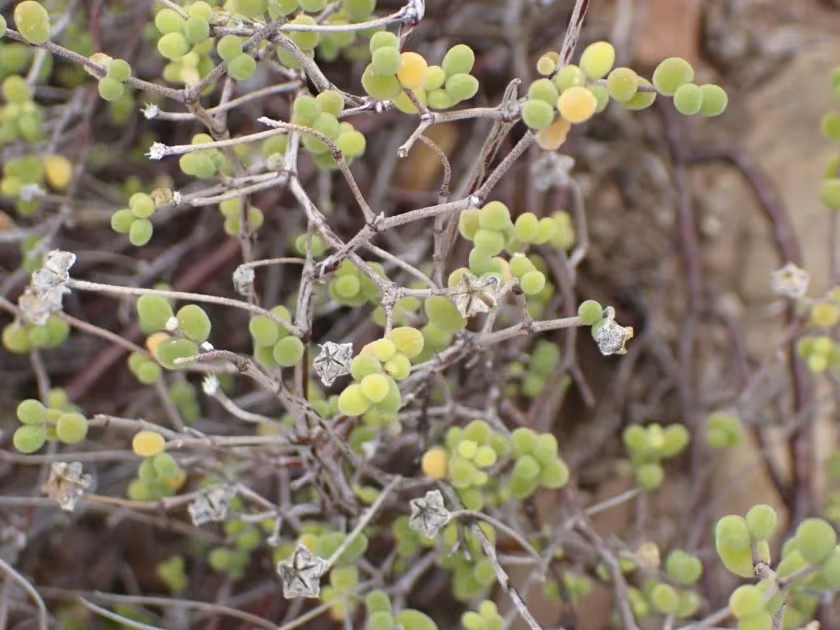
Description
Sowing dates
Drosanthemum globosum is propagated primarily through seeds or stem cuttings during the spring season. Seeds should be sown in a well-draining, sandy-based substrate without deep burial.
For successful germination, maintain a constant temperature of 20–25 degrees Celsius. It is crucial to avoid waterlogging the growing medium, as excessive moisture can lead to fungal issues.
Cuttings offer a faster method for propagation. Select healthy, non-flowering shoots and allow them to callous for a few days before placing them into a dry, porous rooting mix.
Seedlings and new cuttings require gradual exposure to direct sunlight. Avoid harsh mid-day sun during the initial weeks of root development to prevent tissue stress.
Transplanting into final containers or open ground should only occur after all risk of frost has passed, as this species is sensitive to cold temperatures.
Growing requirements
As a member of the Aizoaceae family, Drosanthemum globosum is a succulent native to the arid landscapes of South Africa, adapted for high-light and low-water environments.
The plant thrives in full sun exposure. It requires at least six to eight hours of direct light daily to maintain its compact, globe-like structure and overall plant vigor.
Soil requirements are strict: the substrate must be highly porous, consisting of pumice, perlite, and coarse sand. Organic content should be kept to a bare minimum to prevent rot.
The species is exceptionally drought-tolerant. Irrigation should be deep but infrequent, allowing the soil to dry out completely between watering sessions to emulate its natural habitat.
Due to its lack of frost resistance, Drosanthemum globosum is often treated as a container plant in temperate climates, requiring winter protection or cultivation in greenhouses.
Main diseases and pests
Root rot is the most common threat, usually triggered by poor drainage or overwatering. Once rot settles into the fleshy stems, it becomes difficult to save the plant.
Mealybugs are frequent pests that nest in the tight crevices of the leaves. They extract plant sap and can weaken the specimen if not managed promptly with manual removal or specialized soap.
Spider mites may affect the plant in low-humidity environments with stagnant air. Regularly inspect the underside of the leaves for webbing and early signs of discoloration.
Chemical treatments should be used sparingly, as succulents can react poorly to harsh pesticides. Organic or systemic options are preferred for maintaining plant health.
Preventative care is the best strategy. Providing excellent air circulation, using high-quality porous soil, and adhering to strict watering cycles will minimize the risk of infections.