
Drosanthemum floribundum
Drosanthemum floribundum
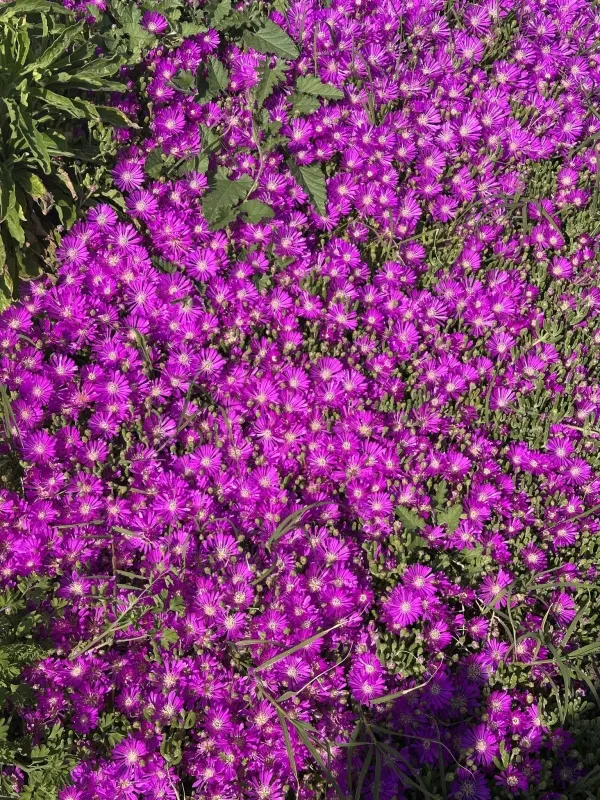
Description
Sowing dates
Drosanthemum floribundum is primarily propagated through seeds or stem cuttings. Sowing should take place in early spring in a well-draining, sandy-based seed mix to ensure the fragile roots do not succumb to fungal issues during the initial growth phase.
To ensure high germination rates, seeds require a warm environment with consistent temperatures of approximately 20–22 degrees Celsius. Surface sowing is recommended, as the seeds require ambient light to break dormancy and sprout successfully.
Cuttings are highly effective for maintaining specific traits and ensuring faster establishment. Cuttings should be taken during the summer, allowed to callus for 24 hours, and then planted in a dry, grit-heavy medium to stimulate root development.
Once seedlings have developed at least two true leaves, they can be pricked out into individual small pots. Gradual hardening off is necessary before transplanting them into their final position in a rock garden or a sunny border.
Spacing is essential for the healthy development of this groundcover plant. Planting 9 to 12 specimens per square meter creates a dense, flowering mat, provided that the soil is properly prepared and free from debris.
Growing requirements
As a member of the Aizoaceae family, Drosanthemum floribundum thrives in arid and semi-arid conditions. It requires full solar exposure to produce its characteristic mass of flowers; inadequate lighting often leads to leggy stems and poor blooming performance.
Soil requirements are centered on drainage. This species is native to rocky, nutrient-poor soils in South Africa and does not tolerate waterlogged conditions. Mixing garden soil with gravel or coarse sand is necessary to prevent root rot.
Irrigation must be strictly controlled, adhering to the "soak and dry" method. The substrate should be allowed to dry out completely between watering sessions, as the succulent leaves and stems store sufficient moisture to survive drought periods.
Temperature tolerance is limited to mild climates. While it can withstand light frost, prolonged freezing temperatures will damage the succulent tissues. In colder regions, it is best utilized as an annual or a container plant that can be moved indoors.
Fertilization should be kept to a minimum. A low-nitrogen, high-potassium liquid fertilizer applied once or twice during the growing season is sufficient to support healthy growth without forcing excessive, weak vegetative development.
Main diseases and pests
The most significant threat to Drosanthemum floribundum is root rot caused by poor soil drainage or excessive rainfall. Symptoms include mushy stems and yellowing leaves; affected plants often require immediate removal or heavy pruning of diseased parts.
Mealybugs are common pests that hide within the dense foliage. These insects feed on sap and can quickly weaken the plant. Systemic insecticides or manual removal with alcohol-soaked cotton swabs are effective methods for controlling infestations.
Spider mites are another potential threat, particularly in hot and dry weather. They pierce the epidermis of the leaves, resulting in stippled, discolored foliage. Regular misting or the use of miticides can mitigate their impact.
Fungal infections such as Botrytis may occur if humidity levels are consistently too high. Improving air circulation around the plants is the primary strategy for prevention, as stagnant air promotes the growth of pathogens.
Maintaining a clean garden environment by removing dead plant material helps prevent the accumulation of pests and fungi. Routine inspection during the active growing season is crucial for early detection and sustainable management.