
Dombeya wallichii
Dombeya wallichii
Description
Growing requirements
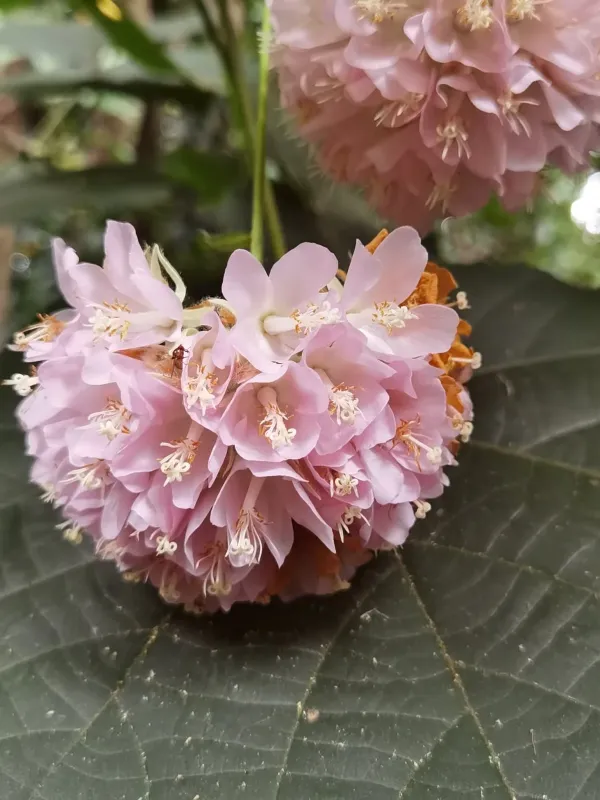
Dombeya wallichii is a prominent evergreen shrub or small tree belonging to the Malvaceae family. Native to East Africa and Madagascar, this species is highly valued for its striking, pendulous inflorescences that resemble hydrangeas, making it a focal point in tropical landscapes.
The plant has strict temperature requirements, thriving in zones where frost is absent. The ideal growth temperature range is between +20°C and +25°C, and the plant is notably sensitive to cold drafts and rapid temperature fluctuations, which can cause bud drop.
Soil requirements involve well-draining, nutrient-rich substrates with a neutral to slightly acidic pH. Sufficient sunlight is crucial for healthy development; in low-light conditions, the branches tend to become leggy, and the formation of flower clusters is severely inhibited.
Cultivation techniques include regular, moderate watering to avoid waterlogging the root zone, which can lead to rapid decay. During the growing season, the plant responds positively to balanced mineral fertilizers, especially those high in potassium and phosphorus, promoting more vigorous blooming.
Economically, Dombeya wallichii is primarily used in ornamental horticulture and botanical garden landscaping. It serves as a majestic specimen tree or a prominent element in large-scale conservatory displays, particularly in frost-free regions of the world.
Main diseases and pests
The main biological threats to this species are sap-sucking pests, such as spider mites and mealybugs. These organisms thrive in environments with low humidity, often becoming a significant problem in greenhouses if ventilation is inadequate.
Improper watering practices and poor soil aeration can lead to root rot caused by various fungal pathogens. Maintaining a proper irrigation schedule and ensuring high-quality drainage are the primary methods for preventing these soil-borne diseases.
Leaf spot diseases may occur when moisture lingers on foliage in stagnant air conditions. Agronomists recommend ensuring consistent airflow around the plant to reduce the risk of pathogen colonization on the leaves.
Control of insect pests usually involves the application of systemic insecticides and acaricides during the active growing cycle. Proactive monitoring and maintaining optimal environmental parameters are key to reducing the need for intensive chemical interventions.
Sanitary pruning is a mandatory practice for managing plant health. Removing dead or infected stems helps prevent the spread of diseases and promotes better light penetration into the inner canopy of the shrub, supporting overall plant vigor.