
Dombeya calantha
Dombeya calantha
Description
Growing requirements
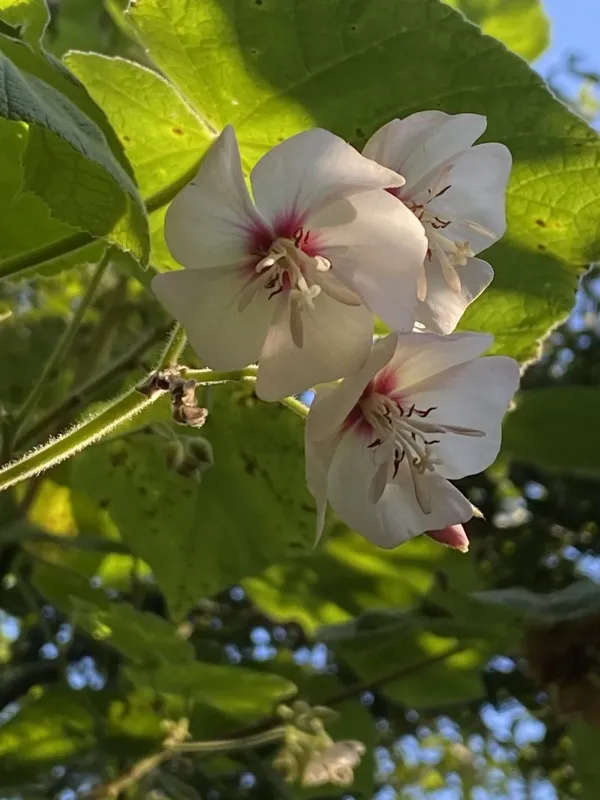
Dombeya calantha is an evergreen woody shrub belonging to the Malvaceae family. It is recognized for its dense foliage and attractive, umbrella-shaped inflorescences that provide significant ornamental value in tropical and subtropical landscaping projects.
The species originates from East Africa, specifically thriving in forest margins and mountainous areas. In agricultural settings, it requires a frost-free environment and prefers stable tropical conditions, making it suitable for greenhouses or warm climate zones in outdoor cultivation.
The soil requirements for optimal growth include well-draining substrates rich in organic matter. Growers should maintain a neutral to slightly acidic pH, as this ensures nutrient availability and healthy root development, which is critical for the long-term vigor of the shrub.
Regular irrigation is essential during the active growing season, but the plant requires a reduction in watering during the dormant period. Proper light exposure, specifically bright but indirect sunlight, promotes both healthy leaf production and the initiation of flower buds.
The primary horticultural use of Dombeya calantha is as a specimen plant or an ornamental hedge in protected gardens. Its aesthetic appeal makes it a sought-after choice for conservatories, and its ability to withstand pruning allows for various shapes and sizes in landscape design.
Main diseases and pests
Common pests associated with this culture include spider mites and mealybugs, which are particularly problematic in low-humidity environments. Fungal pathogens, such as root rot, may occur if the substrate remains waterlogged for extended periods, requiring strict adherence to proper watering practices.