
Dombeya ciliata
Dombeya ciliata
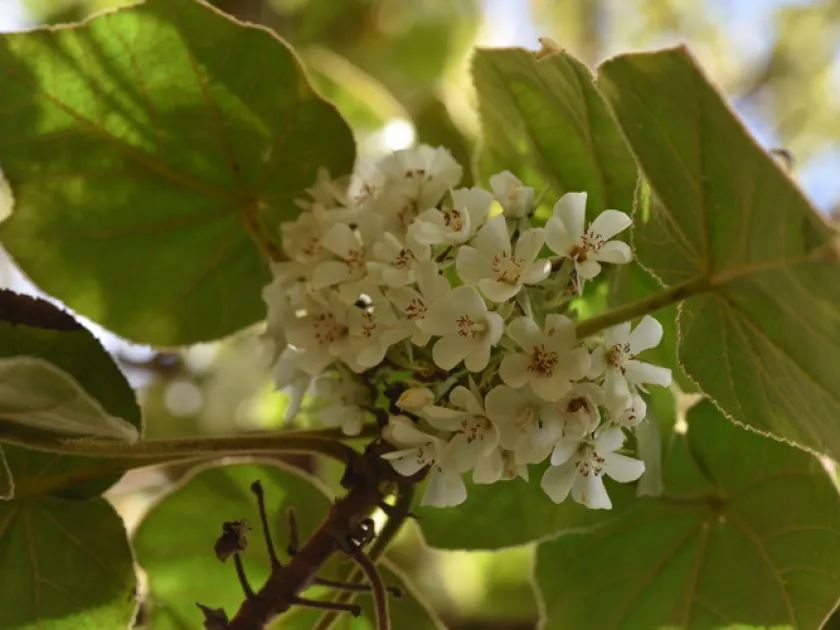
Description
Growing requirements
Dombeya ciliata is an ornamental shrub species belonging to the Malvaceae family. Originating from the tropical regions of Africa, this plant is well-known for its lush foliage and specific climatic needs that define its cultivation range.
The botanical structure of the plant features large, serrated, and often ciliated leaves. It generally grows as an evergreen shrub or small tree, requiring sufficient space for its lateral branches to develop properly during the peak growing season.
Soil requirements for Dombeya ciliata are specific: it thrives in rich, well-draining soil that mimics the humus-dense environment of a forest floor. Adding organic matter, such as compost or peat, is highly recommended to improve soil structure and water retention.
Regarding climate, this plant is strictly tropical. It requires consistent warmth and protection from frost, making it ideal for tropical climates or climate-controlled environments like greenhouses in cooler regions.
Agricultural management includes precise irrigation schedules. The plant prefers consistent moisture without waterlogging, as the root system is sensitive to hypoxia caused by stagnant water in the substrate.
Main diseases and pests
Spider mites are the most common pests that affect Dombeya ciliata, especially in low-humidity environments. They cause stippling on the leaves and can lead to premature leaf drop if not addressed promptly.
Root rot is a significant agricultural threat caused by overwatering or poor drainage. This condition quickly impairs the plant's ability to absorb nutrients and often leads to the decline of the entire specimen.
Fungal leaf spot diseases may occur if the foliage remains wet for extended periods without adequate ventilation. Ensuring proper airflow around the plant canopy is essential to mitigate this risk.
Mealybugs can also infest the stems and leaf axils. Physical removal or the application of horticultural oils is usually effective if the infestation is detected in its early stages before it spreads.
Proactive monitoring is the foundation of plant health. Regular inspections, combined with appropriate fertilization and environmental control, ensure the shrub remains vigorous and resistant to common pathogens.