
Dombeya acutangula
Dombeya acutangula
Description
Growing requirements
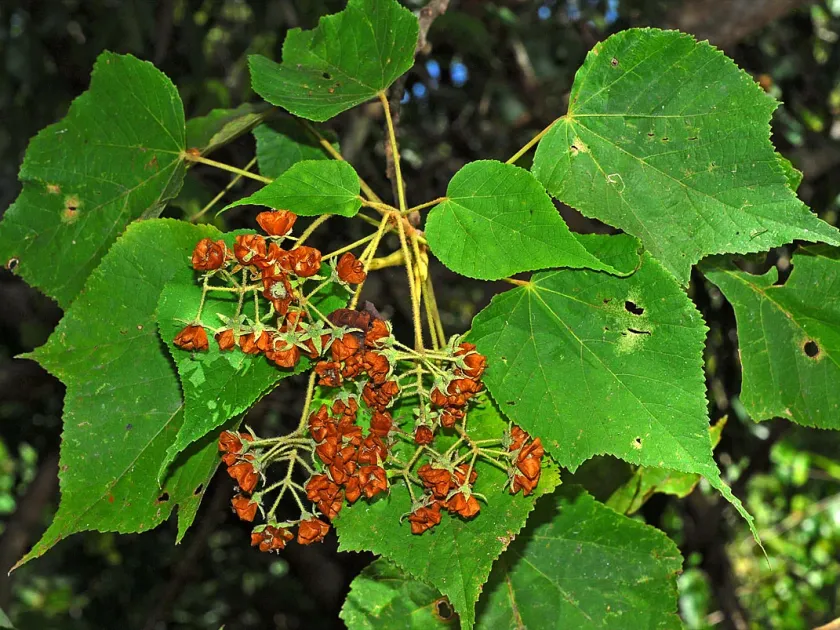
Dombeya acutangula is a notable species belonging to the Malvaceae family. It is a perennial shrub or small tree, recognized for its woody stems and distinct, pointed-ribbed foliage which gives the species its specific botanical name.
Originating from the tropical regions of the Mascarene Islands, this plant has adapted to warm, humid environments. In commercial and ornamental settings, it is valued for its lush growth and potential for large-scale landscaping in frost-free regions.
Regarding soil requirements, the plant thrives in well-drained, nutrient-rich soil substrates. It performs best in a medium that retains moisture without becoming waterlogged, as the roots are sensitive to anaerobic conditions caused by overwatering.
The climatic preferences include tropical or subtropical conditions with stable temperatures. In cultivation, it requires consistent exposure to bright light, although filtered sunlight is preferred during the hottest part of the day to prevent leaf scorch.
Management practices involve regular pruning to encourage branching and structural integrity. Fertilization should be balanced, focusing on nitrogen-rich formulas during the growing season to support vibrant foliage development.
Main diseases and pests
Common threats to Dombeya acutangula include sap-sucking pests such as spider mites and scales. These often emerge when environmental humidity is not managed correctly within closed growing environments.
Fungal issues, particularly powdery mildew, represent a significant concern. The disease manifests as white patches on leaves, usually triggered by poor airflow and excessive ambient moisture levels.
Integrated pest management (IPM) is highly recommended. This includes physical removal of pests, improving ventilation, and using targeted chemical interventions only when necessary.
Root rot is another danger, primarily linked to poor drainage or overly heavy clay soils. Ensuring proper substrate aeration is the best proactive step against soil-borne pathogens.
Consistent monitoring of plant vigor and regular sanitation of the growing area are essential to prevent the spread of diseases and maintain high quality standards.