
Dombeya torrida
Dombeya torrida
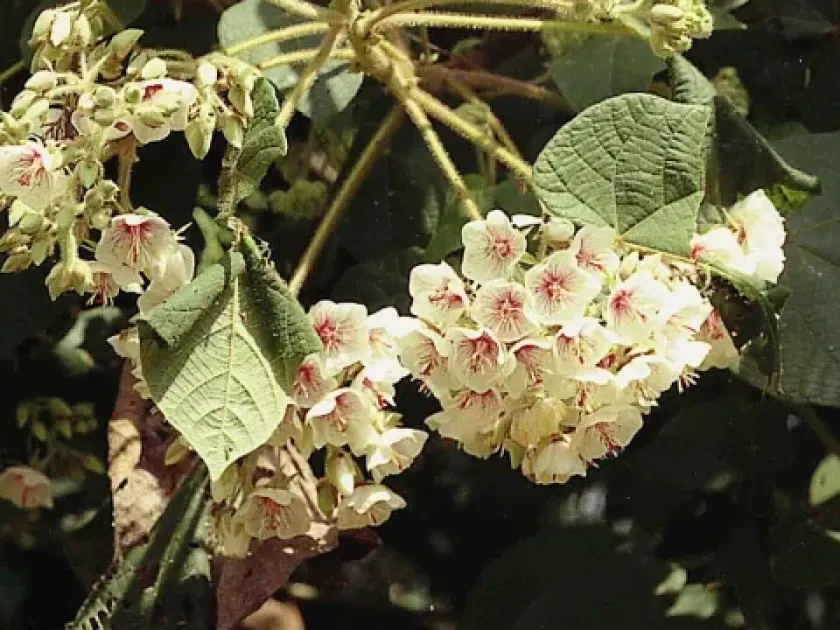
Description
Growing requirements
Dombeya torrida is a significant species within the Malvaceae family, typically found in high-altitude environments. It manifests as a robust shrub or small tree, known for its ability to thrive in mountainous tropical climates of East Africa.
The plant requires well-drained, nutrient-rich soil to support its vigorous growth. In cultivation, incorporating organic matter such as compost or peat is recommended to mimic its native habitat conditions in forest margins.
Climate adaptation is key, as the species prefers stable, moderate temperatures. Extreme heat or prolonged frost can be detrimental, making it an ideal candidate for conservatory cultivation in colder temperate regions.
Light exposure should be managed carefully, favoring bright, filtered light. Protecting the plant from harsh, direct afternoon sun helps preserve the leaf integrity and prevents unnecessary water loss through transpiration.
Hydration management involves a consistent watering schedule, ensuring the substrate remains moist but never waterlogged. Monitoring drainage is essential, as poor airflow around the root system can lead to rapid degradation of the root health.
Main diseases and pests
The plant is susceptible to common greenhouse pests, particularly spider mites and mealybugs. These organisms typically hide on the underside of the leaves, necessitating regular inspections to prevent population outbreaks.
Fungal pathogens pose a risk when environmental conditions become stagnant. Ensuring adequate air circulation and avoiding overhead watering are effective preventive measures against leaf spotting and stem rot.