
Dombeya tiliacea
Dombeya tiliacea
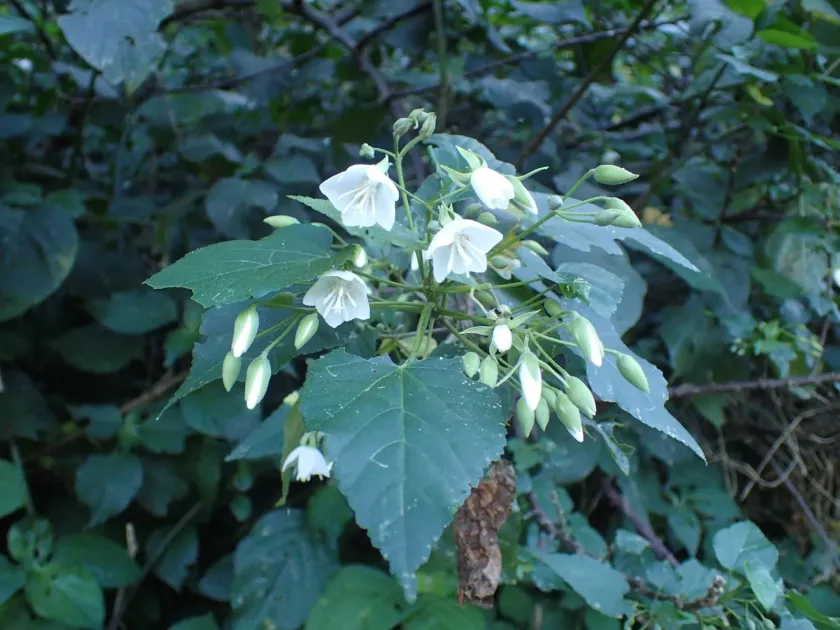
Description
Sowing dates
Propagation of Dombeya tiliacea is typically achieved through seeds or semi-hardwood cuttings. Seeds should be sown in late winter or early spring using a well-drained, nutrient-rich potting medium.
The germination process is temperature-dependent and requires consistent warmth, ideally between 22 and 25 degrees Celsius. Providing humidity and covering with plastic can improve overall success rates.
When propagating by cuttings, select healthy shoots during the early summer months. The use of rooting hormones and a consistent moisture level in the substrate is recommended for optimal root development.
Transplanting seedlings to their final pots or outdoor locations should be done only after the risk of frost has passed. The young plants need to be acclimated gradually to ensure a healthy transition.
Proper spacing is crucial if planting in containers or landscapes to ensure adequate airflow, which prevents the development of diseases and promotes uniform growth across the canopy.
Growing requirements
Dombeya tiliacea thrives in full sun but benefits from light shade during the hottest part of the day in tropical climates. It requires fertile, well-draining soil with a neutral to slightly acidic pH.
As a tropical plant, it is sensitive to cold temperatures and frost. In temperate regions, it is best grown as a conservatory plant or in large containers that can be moved indoors during winter months.
Consistent watering is required during the active growing season, but the soil should be allowed to dry slightly between waterings to prevent root rot. Supplemental feeding with a balanced liquid fertilizer is beneficial.
Regular pruning is essential to maintain the desired shape and size of the shrub. It is best to prune immediately after the flowering period to encourage vigorous growth for the following season.
In indoor conditions, ensure high light levels and sufficient humidity. During winter dormancy, reduce water and place the plant in a cooler, well-lit environment to promote future blooming.
Main diseases and pests
Common pests affecting Dombeya tiliacea include spider mites and scale insects, which often thrive in indoor environments with low humidity. Regular leaf cleaning can help mitigate these infestations.
Root rot is a significant threat to this species, usually caused by overwatering or poor drainage. It is important to ensure the potting mix is aerated and the drainage holes are never blocked.
Powdery mildew can occur in stagnant air conditions, appearing as a white dusting on the foliage. Proper ventilation and fungicide treatment are the primary methods for controlling this disease.
Aphids might target young, tender growth during the spring. Early detection and the use of natural predators or insecticidal soap are effective ways to keep the plant healthy and thriving.
Monitoring the foliage for signs of chlorosis or leaf drop is important, as these can be early indicators of nutrient deficiencies or improper moisture levels within the root zone.