
Dombeya spectabilis
Dombeya spectabilis
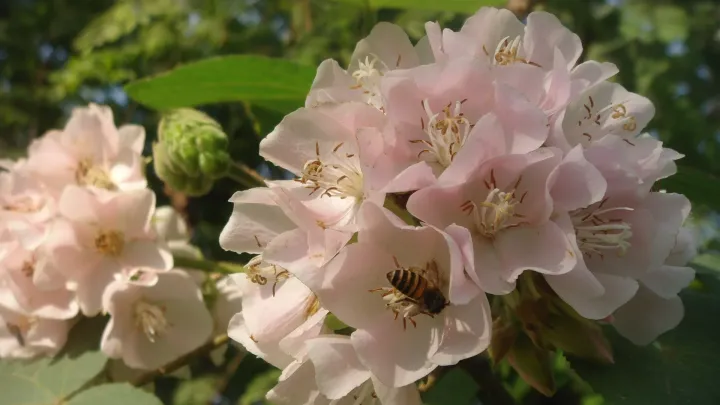
Description
Growing requirements
Dombeya spectabilis is a distinguished evergreen shrub or small tree belonging to the Malvaceae family. Known for its remarkable, hydrangea-like flower clusters, it serves as a prominent ornamental species in tropical horticulture.
Originating from the African continent, this species thrives in tropical and subtropical environments. It requires significant warmth and consistent temperatures, ideally between 20°C and 28°C, for optimal metabolic processes.
For cultivation, the plant demands well-drained, nutrient-rich soil with a slightly acidic to neutral reaction. Poor drainage is the most significant limiting factor, often leading to rapid root decline in container-grown or field specimens.
Sunlight exposure is crucial for the development of its large, cordate leaves and subsequent flowering. While it enjoys bright, direct sun, protection from intense mid-day heat and drying winds is often required in open fields.
Agricultural management involves regular pruning after the flowering season to maintain the desired structure and stimulate the growth of new, flower-bearing wood for the following season.
Main diseases and pests
Common pests include spider mites, which thrive in low-humidity conditions, often found in indoor or greenhouse settings where the plant is sheltered from rain.
Mealybugs are another recurring issue, as they tend to congregate in the axils of leaves and along young shoots, sapping plant vitality and causing stunted leaf development.
Fungal pathogens such as powdery mildew can compromise the foliage, particularly when air circulation is poor and the plant is kept in overly damp, crowded conditions.
Root rot, a major threat to Dombeya spectabilis, usually stems from over-irrigation. Ensuring a strict drying period between waterings is essential to maintaining root health.
Integrated pest management should focus on cultural practices like sanitation and proper spacing, supplemented by targeted acaricides or insecticides only when biological thresholds are exceeded.