
Dombeya rotundifolia
Dombeya rotundifolia
Description
Growing requirements
Dombeya rotundifolia is a woody plant belonging to the Malvaceae family. Native to the savanna regions of Southern Africa, this species is widely recognized for its resilience and ability to thrive in harsh, semi-arid environmental conditions.
The plant requires well-draining soil and a sunny position to reach its full growth potential. While it can withstand periods of drought, it performs best when provided with sufficient moisture during the initial stages of establishment in nurseries or plantations.
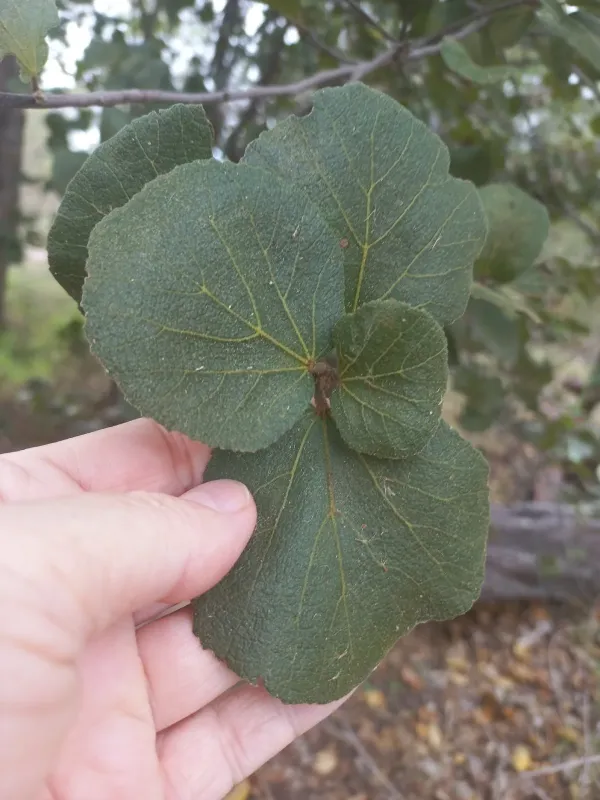
Botanically, it is classified as a deciduous tree characterized by its rough, dark bark and rounded leaves that exhibit a distinct texture. The tree is famous for its striking display of flowers, which appear in spring and provide a significant source of nectar for local bee populations.
In terms of agricultural and rural utility, the wood of Dombeya rotundifolia is highly valued for its exceptional strength and durability. It is frequently utilized for creating tool handles, fence posts, and various small-scale construction items in its native habitat.
Beyond its physical properties, the species is an essential component of agroforestry systems in Africa, where it serves as a windbreak and a promoter of local biodiversity by attracting various pollinators to the agricultural landscape.
Main diseases and pests
Like many species in the Malvaceae family, Dombeya rotundifolia can be susceptible to common garden pests such as aphids and scale insects if the plants are stressed by inadequate irrigation or poor airflow.
Root rot is the most common physiological threat associated with poor drainage. Careful management of soil moisture levels is necessary to prevent fungal pathogens from affecting the root system, particularly in young specimens.