
Dombeya reclinata
Dombeya reclinata
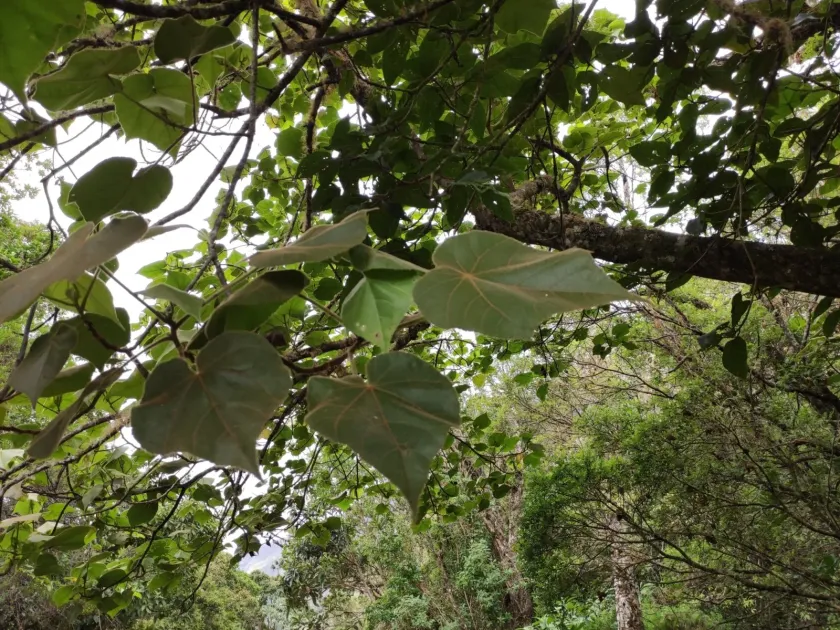
Description
Growing requirements
Dombeya reclinata is a notable woody plant species belonging to the Malvaceae family. Depending on the environment, it grows as a substantial shrub or a small tree, exhibiting a graceful, often reclined habit that gives the species its name.
This plant is native to the tropical regions of Africa, where it thrives in forest margins and woody savannas. Its geographic distribution is tied to warm climates with distinct seasonal rainfall patterns, reflecting its evolutionary adaptation to such conditions.
Botanically, the species is recognized by its cordate (heart-shaped) leaves and dense, showy inflorescences. The foliage is typically pubescent, providing a tactile texture, while the structure of the branches allows it to act as a significant canopy component.
Optimal growth requires well-draining, nutrient-rich soils. The plant prefers sites that do not experience waterlogging, as the root system is sensitive to prolonged saturated soil conditions, which can lead to fungal issues and stunted growth.
The climate must be tropical or near-tropical, as the species lacks cold tolerance. It requires consistent exposure to sunlight and protection from severe winds, which can damage the delicate terminal buds and impact the overall shape of the tree.
Harvesting
In terms of agricultural and landscape usage, Dombeya reclinata is highly valued for its ornamental appeal. It is frequently employed in park designs and large garden settings to provide structure, shade, and a spectacular display during the flowering season.
Beyond aesthetics, the species serves as an essential nectar source for pollinators, significantly contributing to local biodiversity. Some indigenous practices involve the use of its bark and leaves in traditional medicine for various therapeutic applications.
Timber utilization is limited, though the wood can be used for light crafts due to its structural characteristics. However, its primary value remains in live landscaping, where it acts as a windbreak or a decorative focal point.
Seed harvesting involves collecting mature seed pods once they dry on the tree. Germination is most successful when seeds are planted in a loose, aerated substrate immediately after collection to maintain high viability rates.
Routine horticultural maintenance includes formative pruning to manage the tree's height and density. This practice not only keeps the plant healthy by removing dead wood but also encourages the growth of new shoots, ensuring a more vigorous bloom cycle.