
Dombeya quinqueseta
Dombeya quinqueseta
Description
Growing requirements
Dombeya quinqueseta is a prominent member of the Malvaceae family, native to the tropical regions of Africa. This plant is well-regarded for its robust structure and its ability to thrive in savanna ecosystems, adapting to diverse environmental conditions.
The cultivation of this species requires well-drained, nutrient-rich soils to support its rapid growth habit. While it is naturally drought-tolerant once established, optimal productivity is achieved in locations with consistent sunlight and moderate seasonal rainfall.
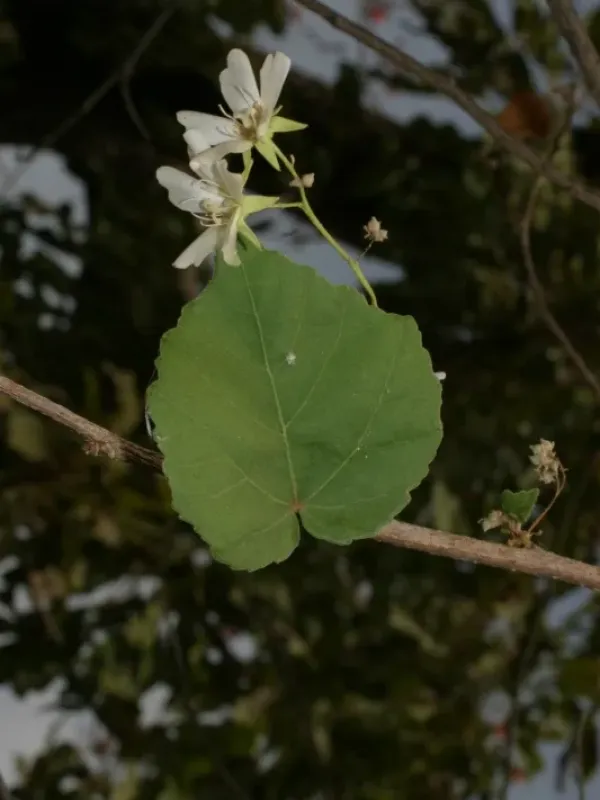
From a botanical standpoint, the plant is characterized by its heart-shaped leaves and dense clusters of delicate flowers, which usually appear during the transition between dry and wet seasons. The plant's architectural form makes it suitable for windbreaks and screening in tropical agricultural landscapes.
Climatic requirements are strictly tropical, as Dombeya quinqueseta is sensitive to freezing temperatures and frost. Growers must ensure that the planting site provides sufficient exposure to sunlight, as shade often leads to stunted growth and reduced flowering frequency.
The primary agricultural utility of this crop lies in its value to apiculture. The flowers are rich in nectar, making it an excellent candidate for planting near apiaries to boost honey production. Furthermore, the hardy nature of the wood allows for its use in local traditional crafts and light construction.
Main diseases and pests
Common plant health threats include aphid infestations and fungal infections caused by excessive humidity in the root zone. Effective disease management involves maintaining proper spacing between plants to ensure adequate air circulation and using targeted biological control methods.