
Dombeya punctata
Dombeya punctata
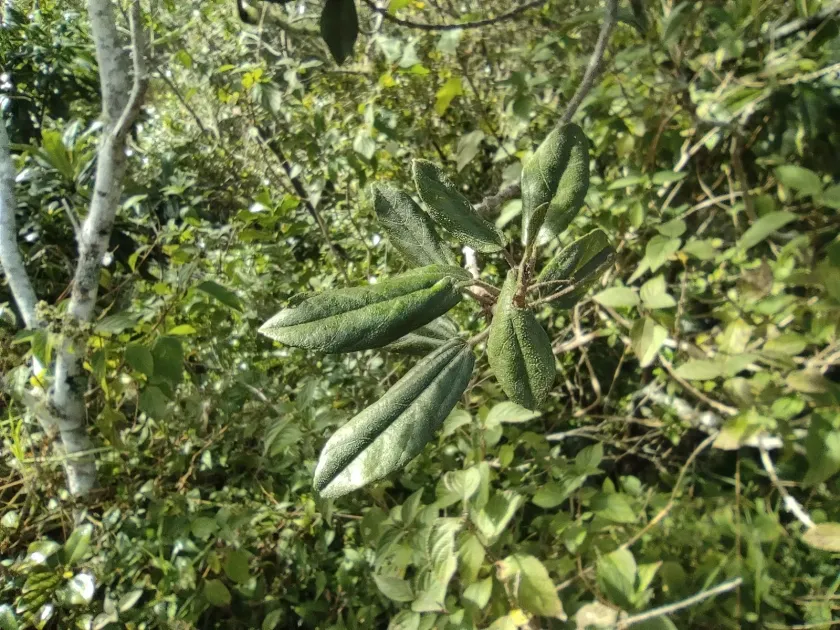
Description
Growing requirements
Dombeya punctata is a woody plant belonging to the Malvaceae family, native to the tropical regions of Africa. This species thrives in warm, stable climates where temperatures remain consistently high throughout the growing season.
Optimal growth requires exposure to direct sunlight, though partial shade is recommended in regions with extremely intense solar radiation. Protecting the plant from strong winds is essential to prevent mechanical damage to the stems and flowers.
The ideal soil for this crop should be loose, fertile, and well-drained. Proper aeration is crucial, as waterlogged conditions often lead to root asphyxiation and the subsequent death of the plant specimen.
Agricultural management requires moderate watering, allowing the soil surface to dry out slightly before the next irrigation event. Regular fertilization with balanced nutrient solutions is advised during the peak growth phase to ensure robust development.
Pruning is a mandatory agronomic practice for Dombeya punctata, typically performed after the flowering stage. This practice encourages branching and ensures that the plant maintains a healthy, manageable structure for subsequent production cycles.
Main diseases and pests
The primary pests affecting Dombeya punctata include spider mites and whiteflies, which are particularly prevalent in low-humidity environments or poorly ventilated greenhouses.
Fungal pathogens, particularly those causing root rot, represent a significant threat to the crop's health, often triggered by excessive soil moisture and heavy, compacted soil types.
Integrated pest management strategies involve regular monitoring of the foliage and the application of biological control agents to maintain the overall health of the crop.
Maintaining proper air circulation around the canopy is a critical factor in preventing the colonization of pathogenic fungi and bacterial blight during the rainy season.
Sanitation practices, including the sterilization of pruning tools and the immediate removal of infested plant parts, are vital to preventing the spread of diseases within the cultivation area.