
Dombeya pulchra
Dombeya pulchra
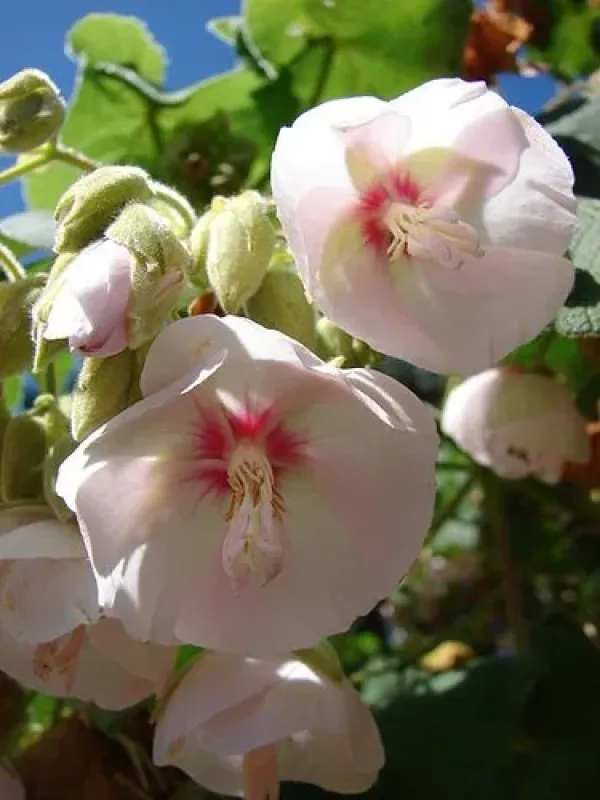
Description
Sowing dates
The propagation of Dombeya pulchra is primarily achieved through seed germination within controlled greenhouse environments. Spring is the most favorable season for sowing, aligned with the increase in daylight duration.
Seeds benefit from scarification or pre-soaking to enhance germination rates. Once seedlings emerge, they should be transplanted into individual pots filled with a nutrient-rich, well-draining substrate to support healthy development.
Vegetative propagation via cuttings is a common practice to ensure uniformity and faster maturation. Cuttings should be taken from semi-hardwood stems during the summer and treated with rooting hormones to maximize success.
Proper spacing is crucial for pot-grown plants to allow sufficient air circulation, preventing humidity-related issues in the foliage. Young plants require stable temperatures to avoid stress during their critical growth phases.
The cultivation process necessitates a focus on building a robust root system before moving the plants to larger containers or permanent outdoor locations in frost-free regions.
Growing requirements
Dombeya pulchra belongs to the Malvaceae family and is known for its showy, fragrant inflorescences. It originates from tropical regions, necessitating high humidity and consistent warmth for optimal performance.
Soil requirements involve high organic matter content and excellent drainage capacity. The plant thrives in slightly acidic to neutral soils; however, it is highly intolerant of waterlogged conditions which damage the roots.
Climate management is essential, as the species does not tolerate freezing temperatures. In temperate zones, it must be grown as a container plant and moved to a greenhouse or bright indoor space during winter.
Watering frequency should be adjusted seasonally; it requires moderate moisture during the growing phase and reduced water intake during the dormant period to prevent fungal issues.
Routine pruning is a vital agronomic practice for this shrub. Regular trimming helps maintain a compact, attractive habit and encourages the production of new flower buds, which are essential for its decorative value.
Main diseases and pests
Spider mites are the most prevalent pest for Dombeya pulchra, particularly in indoor environments with low humidity. Regular leaf misting is a fundamental preventive measure against infestation.
Mealybugs can also pose a threat by clustering in leaf axils and stems. Integrated pest management, including the use of systemic insecticides, is required to keep populations under control.
Root rot is a common physiological threat caused by poor soil drainage and over-irrigation. Ensuring a porous substrate and allowing the topsoil to dry out slightly between waterings is critical for prevention.
Foliar fungal diseases may appear if there is poor air circulation and excessive moisture on the leaves. Removing affected foliage and improving ventilation often resolves minor outbreaks.
Chlorosis, indicated by yellowing leaves, is often a symptom of nutrient deficiency or the use of hard water. Correcting the pH balance and using balanced fertilizers can restore the plant's health.