
Dombeya populnea
Dombeya populnea
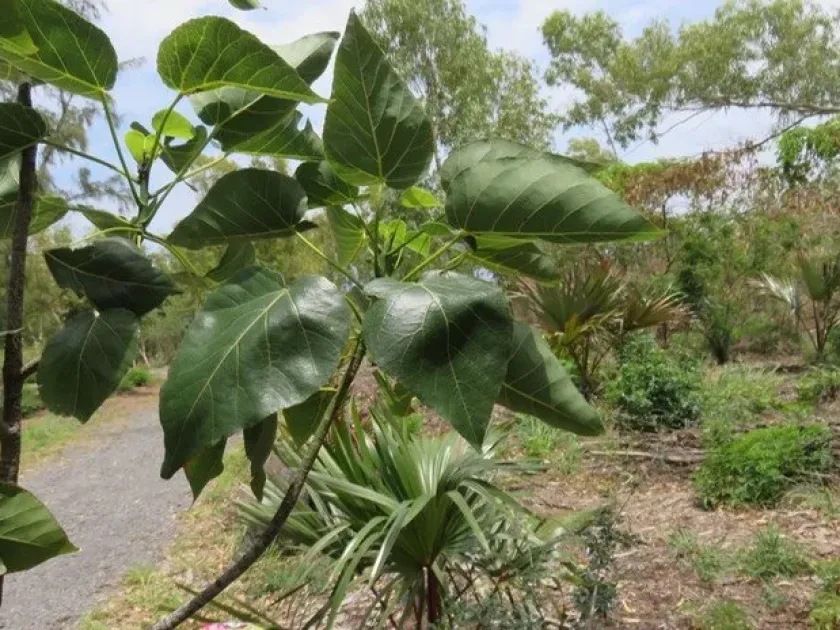
Description
Growing requirements
Dombeya populnea is a perennial woody shrub or small tree belonging to the Malvaceae family. It is recognized for its significant ornamental value, characterized by dense, heart-shaped or poplar-like foliage and an upright, spreading growth habit.
The plant originates from the Mascarene Islands and thrives in tropical and subtropical climatic zones. Its natural habitat includes areas where temperatures remain consistently mild throughout the year, as the species is intolerant to frost or prolonged exposure to freezing conditions.
Successful cultivation requires well-draining, nutrient-rich soils that retain some moisture without becoming waterlogged. The species performs best in sunny locations, although it can tolerate partial shade in regions with extremely intense solar radiation to prevent leaf scorch.
Standard agronomic practices for this culture include consistent irrigation, particularly during dry seasons, and periodic fertilization with balanced mineral nutrients. Pruning is often required to maintain the desired structural shape and encourage new, healthy leaf growth.
Host-plant utility is primarily centered on landscaping and horticulture, where it serves as an ornamental focus for botanical gardens or a screen plant. Its durability and aesthetic appeal make it a preferred choice for greening initiatives in compatible climate zones.
Main diseases and pests
Common health issues for this species include fungal infections of the roots and stem, typically resulting from poor drainage or excessive soil moisture during cooler months.
Insect pests, specifically spider mites and aphids, represent a persistent threat to the foliage, particularly when the plant is kept in greenhouse conditions with inadequate ventilation.
Management of these threats involves proactive integrated pest management (IPM) strategies, including monitoring for early infestation symptoms on the underside of leaves and using selective insecticidal soaps.
To prevent disease spread, sanitation is critical. Removing and destroying infected plant parts immediately prevents the escalation of fungal pathogens within the canopy.
Providing adequate spacing between plants ensures proper air movement, which significantly reduces the humidity levels that favor the development of fungal spores and common plant pests.