
Dombeya kirkii
Dombeya kirkii
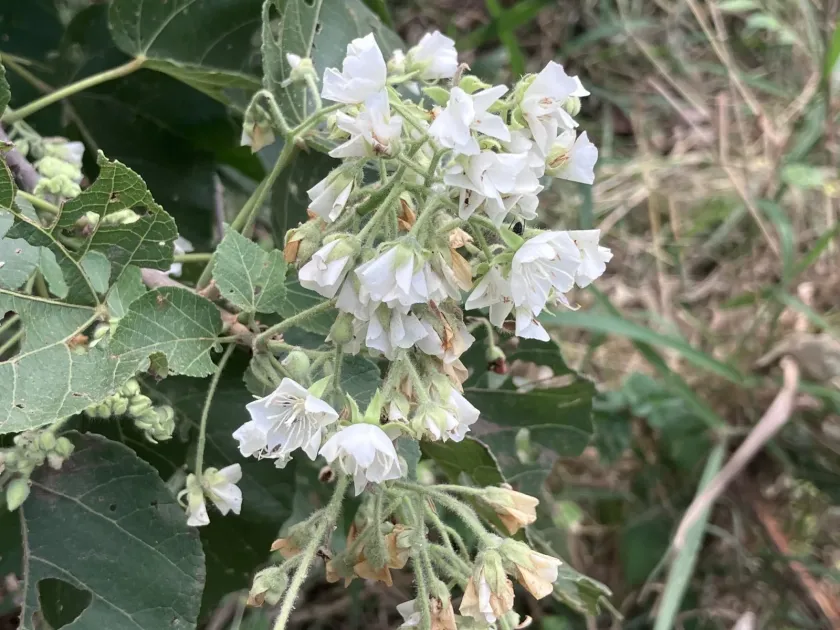
Description
Growing requirements
Dombeya kirkii is a perennial woody shrub or small tree belonging to the Malvaceae family. Native to the tropical regions of East Africa, this plant naturally thrives in forest edges and savannah habitats where it benefits from high humidity and ample light.
The plant requires full sun to partial shade for optimal growth, especially during the active flowering season. It prefers well-drained, fertile soil rich in organic matter. Good drainage is essential, as the roots are highly susceptible to rot if left in waterlogged conditions.
Climatically, this species is suited for tropical and subtropical environments. It lacks frost tolerance, making it suitable for temperate zone outdoor cultivation only during the frost-free summer months, while it must be moved to indoor conservatories or greenhouses during winter.
The standard agricultural practices for Dombeya kirkii involve regular watering during dry periods, ensuring that the soil remains moist but not saturated. Fertilization with a balanced slow-release fertilizer during the growing season encourages lush foliage and prolific flower production.
Its primary use is in ornamental horticulture. Gardeners prize the plant for its attractive, lace-like flower clusters and evergreen or semi-evergreen foliage, making it an excellent candidate for specimen planting or container gardening in large landscape designs.
Main diseases and pests
Pest management is a critical aspect of maintaining Dombeya kirkii. The most common pests include spider mites, particularly in indoor environments with low humidity, and mealybugs that congregate on tender stems and the undersides of leaves.
Fungal diseases, including root rot and powdery mildew, are the primary pathogens affecting this species. These issues usually stem from excessive irrigation, poor soil drainage, or inadequate airflow around the foliage, leading to stagnant pockets of humidity.
Control strategies involve the application of appropriate systemic insecticides to manage pest populations and fungicides to address fungal outbreaks. Proactive care involves frequent inspections and removing any debris from under the plant to minimize potential sources of infection.
Pruning plays a dual role in both aesthetics and plant health. By thinning out the crown, gardeners ensure better light penetration and air circulation, which significantly lowers the risk of mildew development and promotes the health of the lower branches.
Overall, Dombeya kirkii exhibits a high degree of resilience when cultivated in an environment that mimics its natural range. By providing balanced water, light, and nutrients, growers can minimize the need for chemical interventions and maintain a vigorous, healthy plant.