
Dombeya ficulnea
Dombeya ficulnea
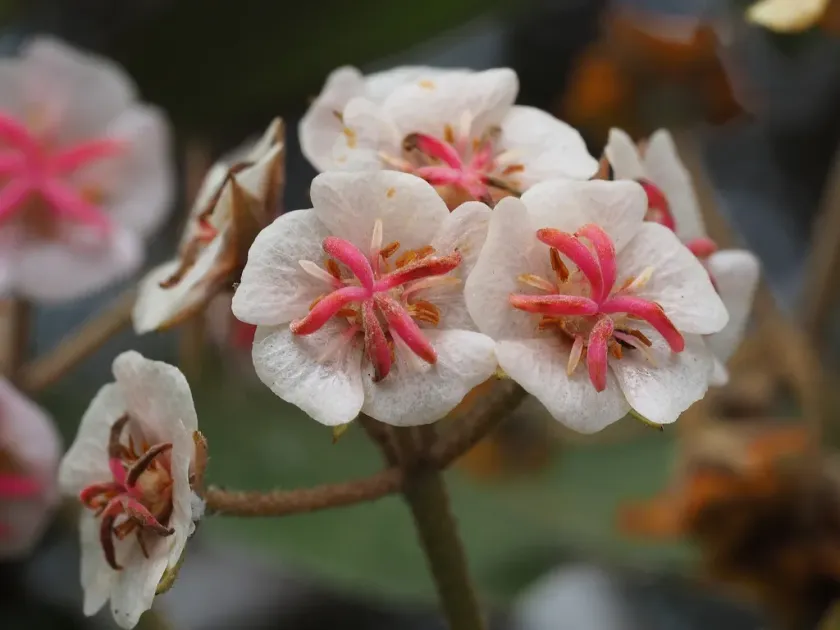
Description
Growing requirements
Dombeya ficulnea is a distinctive woody plant belonging to the Malvaceae family. It is endemic to the Mascarene Islands, specifically noted in the botanical records of Reunion Island.
The plant thrives in tropical climates characterized by warm temperatures throughout the year. It requires a significant amount of light to maintain its typical foliage density and health, though it prefers protection from the harsh midday sun.
Cultivation requires fertile, well-draining soil to prevent root suffocation. Consistent moisture is necessary, particularly during the growing season, but the root ball should never remain saturated with water.
Botanically, it is recognized by its large, leathery leaves that resemble those of Ficus species, which serves as the inspiration for its Latin specific epithet. The structural habit can vary from a small tree to a sprawling shrub.
In landscaping, this species is utilized as an ornamental specimen, valued for its unique foliage and the ability to add a tropical feel to specialized garden settings.
Main diseases and pests
Common phytopathological issues include root rot, which typically develops when cultivation standards regarding drainage are neglected.
Insect pests, specifically aphids and spider mites, often colonize the underside of the leaves if the ambient humidity is too low for the plant's tropical origin.
Management strategies involve maintaining proper ventilation and air circulation to prevent fungal outbreaks in dense canopy areas.
Regular monitoring for early signs of pest infestation allows for quick intervention using horticultural soaps or targeted biological controls.
Providing adequate nutrient levels through controlled-release fertilizers ensures the plant maintains vigor, making it less susceptible to various pathogens.