
Dombeya ferruginea
Dombeya ferruginea
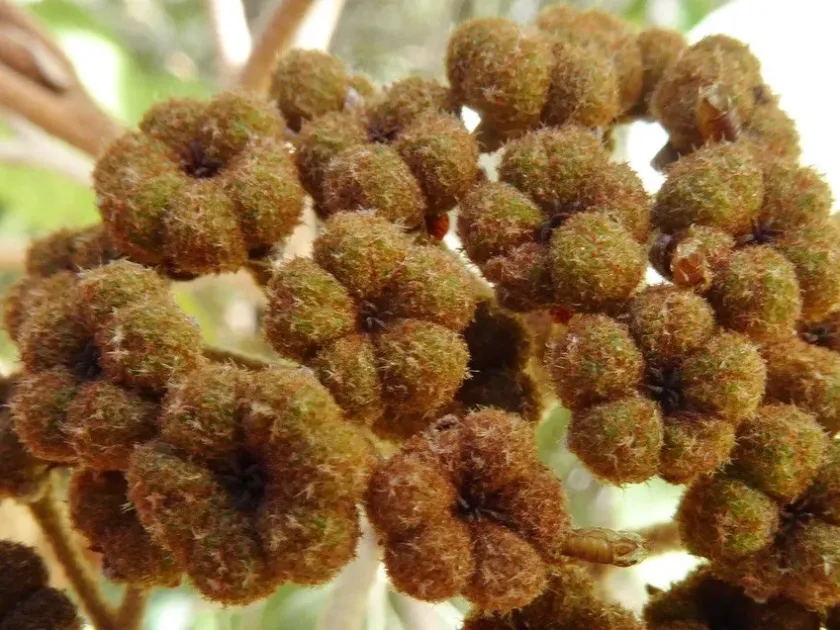
Description
Sowing dates
The propagation of Dombeya ferruginea is typically achieved through seeds or semi-hardwood cuttings. Seeds should be sown fresh to ensure the highest germination rates in a well-draining potting mix.
Maintaining a constant soil temperature between 22 and 26 degrees Celsius is essential for successful seedling development. Moisture levels must be kept stable but not waterlogged.
When using cuttings, select healthy shoots during the active growing season. Applying rooting hormones can significantly increase the probability of successful establishment in a misting house.
Once the cuttings or seedlings have developed a robust root system, they should be transitioned to larger containers or directly into the ground if the climate permits.
Early stage plant care involves providing filtered light and avoiding extreme temperature fluctuations, which can stress young Dombeya plants significantly.
Growing requirements
Dombeya ferruginea belongs to the Malvaceae family and is native to the tropical regions of East Africa, where it thrives in forest margins and mountainous areas.
The plant requires full sun to partial shade for optimal growth. It is highly adaptable but performs best in nutrient-rich, loamy soils with excellent drainage capabilities.
Watering schedules should be adjusted according to seasonal changes. During the flowering period, ensure consistent hydration to support the development of its characteristic blossoms.
The plant thrives in humid environments. In dry climates, supplemental misting is recommended to maintain the health of the foliage and prevent the edges of leaves from drying out.
Pruning is an essential agrotechnical practice for this species, as it helps in maintaining a manageable size and encouraging the dense branching habit typical of the genus.
Main diseases and pests
Over-watering is the primary cause of decline for this species, often leading to phytophthora root rot. Ensuring the substrate does not stay soggy is a top priority.
Pest issues such as spider mites and aphids are common in indoor or greenhouse settings, especially when airflow is restricted and humidity levels are inconsistent.
Regular inspections of the foliage and stems are necessary to identify early infestations. Mechanical removal or mild insecticidal soaps are usually effective treatments.
Fungal infections can occur if moisture collects on the leaves. Keeping the foliage dry and ensuring adequate spacing between plants can drastically reduce these risks.
Preventative maintenance includes sanitation of tools and the removal of any decaying organic matter from the soil surface to minimize the spread of soil-borne pathogens.