
Dombeya elegans
Dombeya elegans
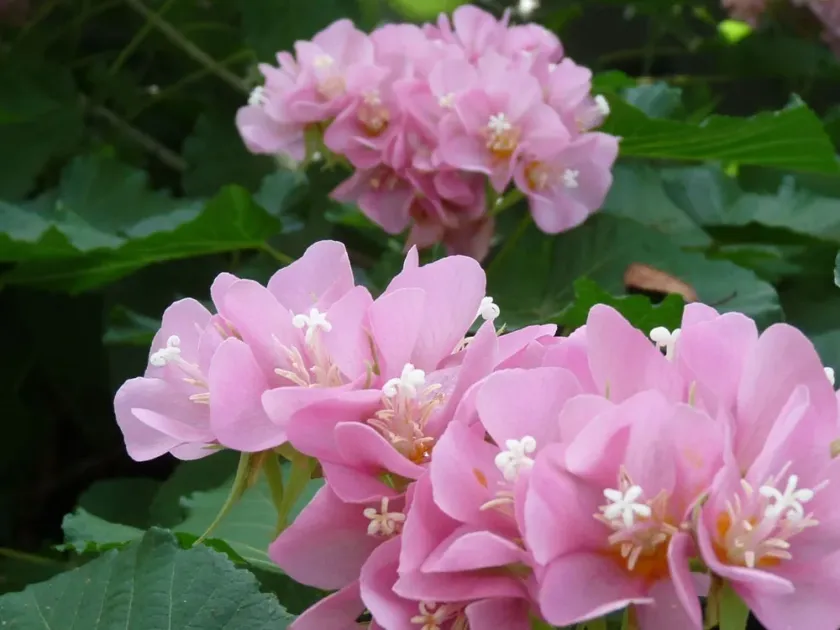
Description
Sowing dates
Propagation of Dombeya elegans is most commonly achieved through seeds or stem cuttings in controlled indoor environments.
Seeds are sown in early spring into a light, nutrient-rich substrate, maintaining a steady temperature of around 22–25 degrees Celsius for successful germination.
Stem cuttings are taken during the summer months, utilizing semi-hardwood shoots that are treated with rooting hormones to enhance development.
A crucial factor for success is the use of small propagators or humidity domes to ensure high air humidity during the critical rooting phase of young plants.
Once the first true leaves appear, seedlings are transplanted into individual pots, gradually acclimating them to the lower humidity levels of indoor spaces.
Growing requirements
Dombeya elegans belongs to the Malvaceae family and is an evergreen shrub or small tree native to the tropical regions of Africa.
The plant is highly demanding regarding light conditions: to ensure proper growth and flowering, it requires bright, filtered sunlight throughout the day.
The potting soil mix must offer excellent drainage and aeration, with a slightly acidic or neutral substrate enriched with loam being ideal.
During the active growing season, the culture requires consistent and thorough watering, though one must avoid waterlogging, which causes root damage.
The temperature should not drop below 15 degrees Celsius during the winter months, as the plant is highly sensitive to cold drafts and rapid fluctuations.
Main diseases and pests
Common pests that pose a threat to this culture in indoor settings include spider mites and mealybugs.
In cases of poor ventilation, the plant may become susceptible to fungal infections, such as powdery mildew or various types of leaf spot diseases.
To prevent infestations, it is essential to regularly inspect the foliage and maintain hygiene around the root zone by removing fallen leaves promptly.
If insects are detected, the use of specialized insecticides or acaricides is recommended, while strictly following the manufacturer's dosage instructions.
Root rot is the most serious threat caused by excessive soil moisture, therefore, a robust drainage layer of at least five centimeters is mandatory.