
Diostea
Diostea
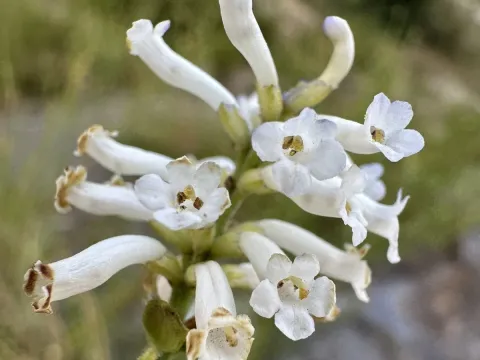
Diostea is a monotypic genus of flowering plants belonging to the family Verbenaceae. It is typically characterized as a deciduous shrub or a small tree, known for its distinct foliage and delicate flower clusters that appear during the active growth season.
What the section contains

Diostea
Native to South America, specifically the Andean regions of Chile and Argentina, this plant thrives in environments that provide moderate temperatures. It is well-adapted to habitats that require a balance between sunny exposures and moist soil conditions.
The cultivation of Diostea requires well-drained, fertile soil to ensure root health. It is essential to avoid heavy, clay-based soils that retain excessive moisture, as the plant is sensitive to waterlogging, which can easily induce root rot.
For optimal development, this shrub should be planted in locations that receive ample sunlight. Protection from strong, drying winds is recommended, especially in regions where the climate might fluctuate significantly during the transition between seasons.
Basic agronomic maintenance includes regular pruning to manage the shrub's shape and density, along with periodic fertilization in the spring to support vigorous growth. Mulching can help maintain soil moisture during the heat of the summer.
Common pests that can affect Diostea include aphids and spider mites. These pests thrive in dry environments and can cause significant damage to young leaves and stems if their population is not controlled early in the season.
Powdery mildew is a prevalent fungal issue, often exacerbated by poor air circulation within the shrub's canopy. Maintaining a balanced planting density and ensuring the plant has enough space can reduce the risk of this infection.
Root rot remains the most serious threat to the plant's survival, primarily caused by over-irrigation or inadequate drainage. Preventing stagnant water around the root zone is the most effective way to avoid this problem.
Insects like leaf miners can occasionally infest the foliage, creating visible tracks and reducing the overall aesthetic appeal of the plant. Monitoring the leaves for early signs of such activity is essential for timely intervention.
Effective management involves a combination of mechanical removal of infected parts and the use of environmentally friendly insecticidal soaps or targeted fungicides. Consistent health monitoring ensures the plant remains vibrant throughout the year.