
Diostea juncea
Diostea juncea
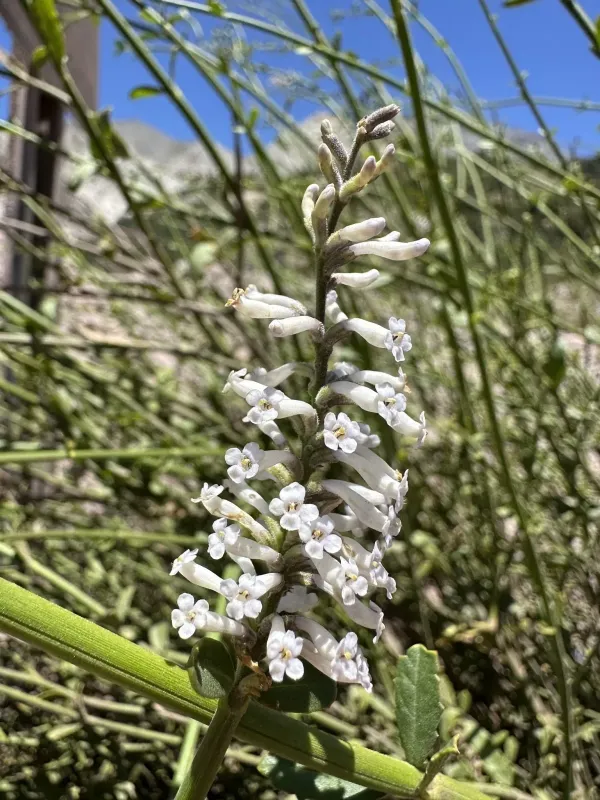
Description
Growing requirements
Diostea juncea is a unique deciduous shrub belonging to the Scrophulariaceae family. Originating from the mountainous regions of Argentina and Chile, this plant has evolved to thrive in high-altitude environments with distinct ecological constraints.
The culture is noted for its exceptional drought tolerance, allowing it to flourish in rocky and nutrient-poor soils. It performs best in well-drained substrates that prevent waterlogging and promote healthy root development.
Exposure to full sun is essential for the plant's structural integrity and its prolific flowering cycle. Inadequate sunlight leads to etiolation, where stems become weak and the plant's characteristic dense habit is lost.
Climate adaptability is a significant factor in its cultivation, as the plant requires protection from severe frosts and strong winds. Site selection should prioritize areas that maintain warmth during the transitional seasons to ensure plant longevity.
Standard agrotechnical practices involve maintaining soil aeration and providing irrigation only during prolonged dry spells. While highly resilient, Diostea juncea responds positively to balanced moisture management, which supports optimal biomass accumulation.