
Dichorisandra
Dichorisandra
Dichorisandra is a genus of perennial herbaceous plants belonging to the Commelinaceae family. Native to the tropical regions of Central and South America, these plants thrive in the humid and shaded environments characteristic of rainforest understories.
What the section contains


Dichorisandra
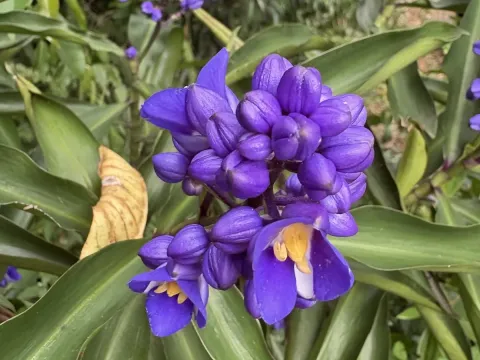
The plant is noted for its lush, lance-shaped leaves and spectacular terminal inflorescences featuring vibrant blue or purple flowers. Its structural diversity, ranging from upright stems to trailing habits, makes it a highly sought-after subject for both conservatory displays and specialized indoor plant collections.
Cultivation of Dichorisandra requires strict adherence to temperature regimes, ideally maintained between 20°C and 25°C. The species is highly sensitive to cold drafts and rapid fluctuations in ambient conditions, which may lead to leaf drop or growth stagnation.
The ideal growing medium for this culture is a well-draining, nutrient-rich potting mix. A combination of peat, leaf mold, and perlite is generally recommended to ensure adequate aeration around the root zone while retaining enough moisture for healthy development.
Light requirements for Dichorisandra involve bright, indirect exposure. While the plant appreciates significant light levels, direct sunlight must be avoided as it can scorch the foliage. Consistent humidity levels are equally vital for maintaining the plant’s characteristic glossy texture.
Pests such as spider mites and scale insects are the primary threats to Dichorisandra, especially in indoor environments with low humidity. These pests tend to congregate on the undersides of leaves, necessitating regular monitoring to prevent large-scale infestations.
Root rot, driven by overwatering or inadequate soil drainage, represents the most significant phytosanitary issue. This condition effectively compromises the root system, preventing the uptake of essential nutrients and leading to systemic collapse of the plant.
Management of these threats involves a combination of mechanical removal of pests and the application of suitable acaricides or insecticides when infestation levels exceed economic thresholds. Systemic treatments are often preferred to ensure long-term protection.
Fungal pathogens can be mitigated through rigorous sanitation practices, including the removal of debris and the maintenance of proper airflow around the canopy. Avoiding overhead watering is also recommended to reduce the risk of leaf-spotting diseases.
In cases of severe infestation, affected plants should be quarantined immediately. This practice is essential for maintaining the health of the broader collection and preventing the spread of secondary pathogens or invasive insects to healthy specimens.