
Cyanotis speciosa
Cyanotis speciosa
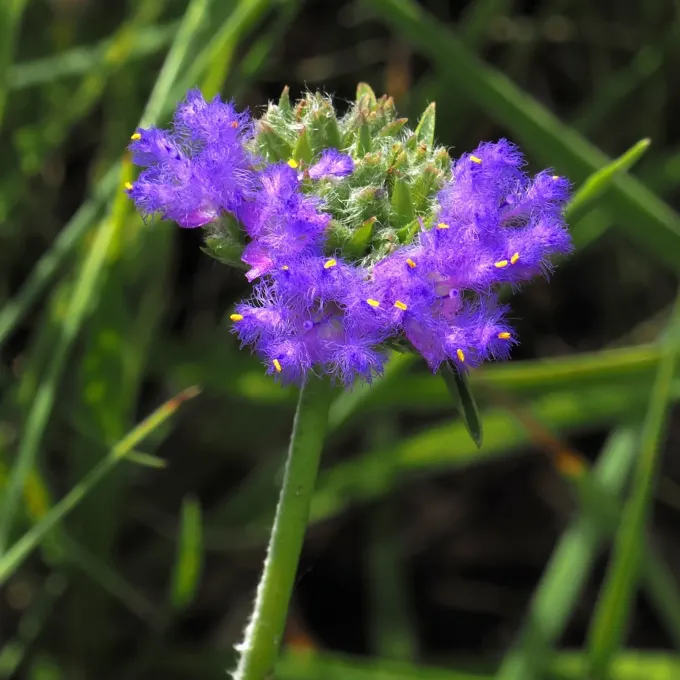
Description
Sowing dates
Cyanotis speciosa is a member of the Commelinaceae family. In agricultural practices, seeds are typically sown during the spring when soil temperatures reach 18–20 degrees Celsius to ensure uniform germination.
It is crucial to plant seeds at a depth of no more than 0.5–1 centimeter. Shallow sowing is essential because the seeds are quite small and require access to light to trigger successful sprouting.
Many agronomists recommend pre-soaking seeds in growth stimulants to accelerate the process and shorten the time to emergence by several days, depending on substrate quality.
In greenhouse environments, sowing can occur year-round provided that adequate supplemental lighting and consistent temperature control are maintained.
Once seedlings emerge, they should be thinned or transplanted to encourage the development of a strong root system, which is vital for the plant's subsequent growth phase.
Growing requirements
The crop thrives in loose, fertile soils with excellent aeration and drainage. Optimal soil pH ranges from slightly acidic to neutral for the best nutrient uptake.
Cyanotis speciosa is light-loving; however, it requires protection from intense midday sun to prevent leaf scorching. Inadequate light results in leggy stems and poor structural health.
Temperatures for optimal growth should be maintained between 20 and 25 degrees Celsius. Rapid temperature fluctuations can severely impact development and plant immunity.
Watering needs are high during the active growth period, but caution must be taken to prevent waterlogging. Excessive moisture in the root zone can easily lead to tuber rot.
Effective management includes the application of balanced complex fertilizers, focusing on nitrogen for initial growth and phosphorus-potassium blends for bloom preparation.
Yield
In an agronomic context, yield is typically evaluated based on biomass production, which is utilized for pharmaceutical applications or vegetative propagation.
Under intensive cultivation systems, yields can reach up to 2–3 kilograms of green mass per square meter per season, depending on planting density and soil fertility management.
The yield potential is also influenced by the specific ecotype being grown and how well the crop is adapted to local microclimatic conditions.
Techniques such as pinching back shoot tips help increase bushiness, which indirectly boosts the total green mass weight by the time of harvest.
Consistent yields are guaranteed by adhering to crop rotation schedules and preventing soil exhaustion through regular organic matter application.
Main diseases and pests
The primary threats to this crop are fungal diseases caused by excessive moisture or poor air circulation, particularly powdery mildew and root rot variants.
Pests like spider mites, aphids, and scale insects can cause significant damage, especially in environments with low humidity. Regular inspections are necessary to detect infestations early.
Plant protection involves both biological control methods and preventive treatments with systemic insecticides, strictly following established safety regulations.
Poor ventilation is a major factor promoting fungal growth, so maintaining proper airflow within the growing area is essential for crop health.
- Removing infected foliage promptly.
- Maintaining adequate spacing between plants.
- Implementing quarantine measures for new stock.
Harvesting
Harvesting for biomass is conducted during the phase of peak accumulation of active ingredients, typically just before the onset of mass flowering.
For seed collection, the harvest must occur after the capsules have matured, taking care not to allow them to shatter and drop seeds onto the soil.
When grown for ornamental purposes, harvesting involves pruning spent stems to rejuvenate the plant for the next growth cycle.
All harvesting tools must be sterilized prior to use to prevent cross-contamination or the spread of pathogens between plants.
Post-harvest processing involves sorting and cleaning the material to remove debris, ensuring the highest product quality for storage or further processing.