
Courtois pink
Dianthus x courtoisii Rchb.
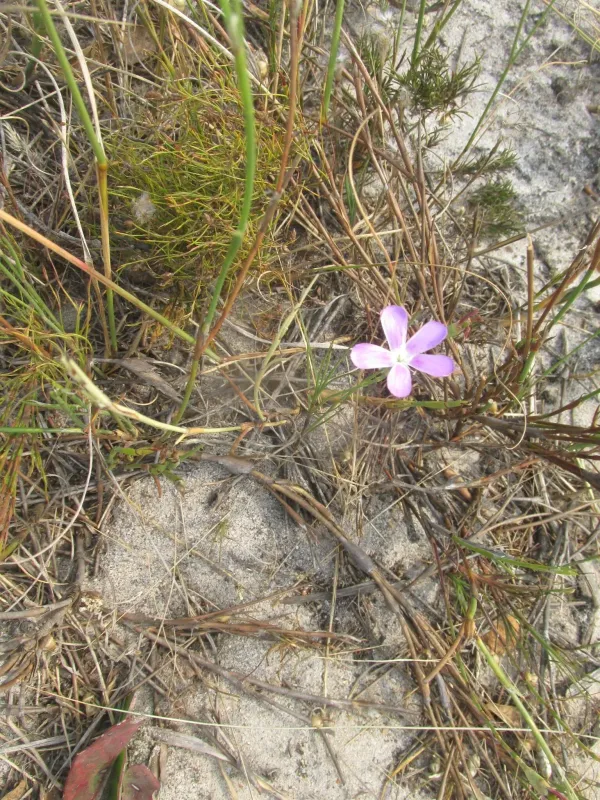
Description
Sowing dates
Courtois pink (Dianthus x courtoisii) is a perennial herbaceous plant belonging to the Caryophyllaceae family. This hybrid is recognized for its compact growth habit and suitability for diverse ornamental garden applications.
The propagation of this culture is typically performed through seeds or stem cuttings. Seed sowing in trays is best executed in late winter to early spring, providing a controlled environment for germination.
When sowing, seeds should be lightly covered with a thin layer of soil or substrate, as they require sufficient light to emerge successfully. A warm and ventilated space is essential for seedling development.
Vegetative propagation via cuttings taken in early summer is the preferred method for commercial growers, as it ensures the uniformity of the plant material and maintains specific hybrid characteristics.
Transplanting into the permanent garden site should occur when the threat of late spring frosts has passed. Adequate spacing (about 30 cm) is necessary to ensure optimal air circulation around the plants.
Growing requirements
This crop thrives in full sun, requiring at least six hours of direct sunlight daily to produce high-quality blooms. Insufficient light leads to weak, spindly stems and sparse flowering.
The soil should be well-draining, slightly alkaline or neutral, and rich in organic matter. A sandy-loam texture is ideal, as it prevents root rot caused by stagnant water, which the plant cannot tolerate.
Watering practices should focus on keeping the root zone consistently moist but not saturated. Drip irrigation is highly effective for maintaining consistent soil moisture levels throughout the growing season.
Fertilization with a balanced NPK fertilizer during the spring growth flush supports strong stem development and abundant flower production. Avoid excessive nitrogen late in the season to prevent weak growth.
The plant demonstrates good climatic adaptability but benefits from winter protection in harsh regions. Mulching the base of the plant helps insulate the roots against extreme freeze-thaw cycles.
Main diseases and pests
The most significant threats to Courtois pink include fungal diseases like rust and fusarium wilt. These pathogens often manifest under conditions of poor drainage or excessive atmospheric humidity.
Common insect pests include aphids and mites, which can damage new growth and weaken the plant. Regular monitoring of the foliage is essential for early detection and mitigation.
Integrated pest management strategies should be employed, prioritizing cultural practices such as removing infected leaves and debris to interrupt the pathogen life cycle.
Chemical control with systemic fungicides and insecticides should be reserved for severe infestations to maintain the aesthetic value of the planting bed.
- Monitor for signs of yellowing or wilting.
- Improve soil drainage if waterlogging is observed.
- Maintain proper spacing to increase airflow.