
Allwood's myrtle-leaved pink
Dianthus x allwoodii x Dianthus myrtinervius
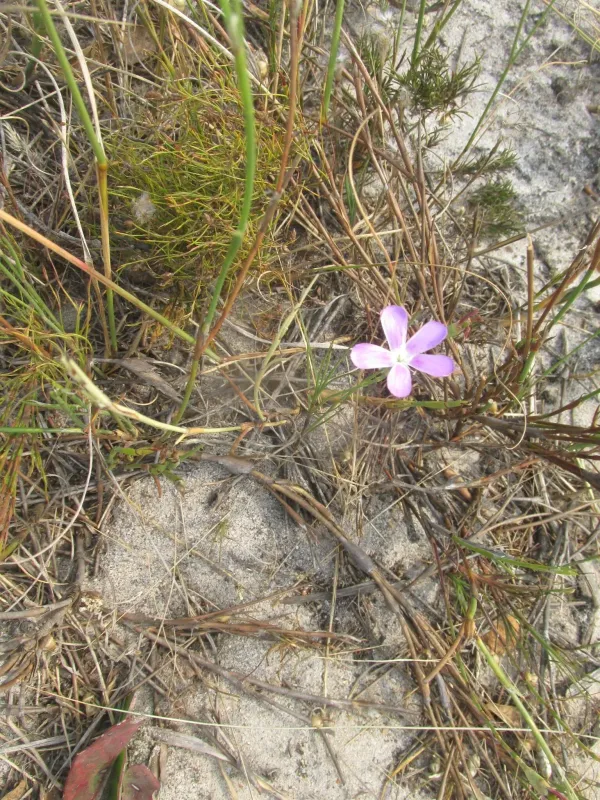
Description
Growing requirements
Allwood's myrtle-leaved pink is a hybrid perennial belonging to the Caryophyllaceae family. This cultivar is valued for its compact, cushion-forming growth habit, resulting from the cross-breeding of various Dianthus species, which provides dense, low-growing foliage throughout the year.
The plant thrives in full sun, which is essential for maintaining its dense structure and encouraging abundant flowering. Exposure to at least six hours of direct sunlight daily is ideal to prevent the stems from becoming leggy or weak, which detracts from its ornamental value.
Regarding soil requirements, this Dianthus needs well-draining, neutral to slightly alkaline substrate. The presence of calcium is beneficial for the plant's health, while heavy or waterlogged soils must be avoided as they lead to root rot and other physiological disorders.
The climate requirements include moderate temperatures and good air circulation. The plant is notably hardy and can withstand cool winters, provided the drainage is sufficient to prevent ice formation around the crown of the plant, which could cause stem damage.
In landscaping, this variety is highly versatile. It is primarily used in rock gardens, border edging, and as a ground cover in alpine-style planting schemes. Its evergreen or semi-evergreen foliage provides structural interest even when the plant is not in bloom.
Main diseases and pests
Fungal diseases are the primary threat to this crop, especially in humid conditions or areas with poor airflow. Diseases such as Fusarium wilt and various collar rots can develop rapidly if the base of the plant remains wet for extended periods.
Common pests include aphids and spider mites, which can infest the succulent leaves and developing buds. These pests can be managed by utilizing neem oil or appropriate insecticidal soaps if an infestation is detected early in the growing season.
Preventative measures involve ensuring the plants are spaced correctly to allow for proper ventilation. Avoiding overhead irrigation is a fundamental rule in the management of Dianthus, as keeping the foliage dry significantly reduces the risk of fungal spore germination.
Nutrient management is also crucial; avoid excessive nitrogen application, as it encourages soft, succulent growth that is highly attractive to pests. Instead, use balanced fertilizers with a focus on phosphorus and potassium to strengthen the plant's cell walls.
Sanitation is key to keeping the plants healthy. Promptly remove dead flower stalks and any yellowing or damaged foliage. This practice not only keeps the garden neat but also removes potential overwintering sites for pathogens and insect larvae.