
Allwood's pink
Dianthus x allwoodii hort.
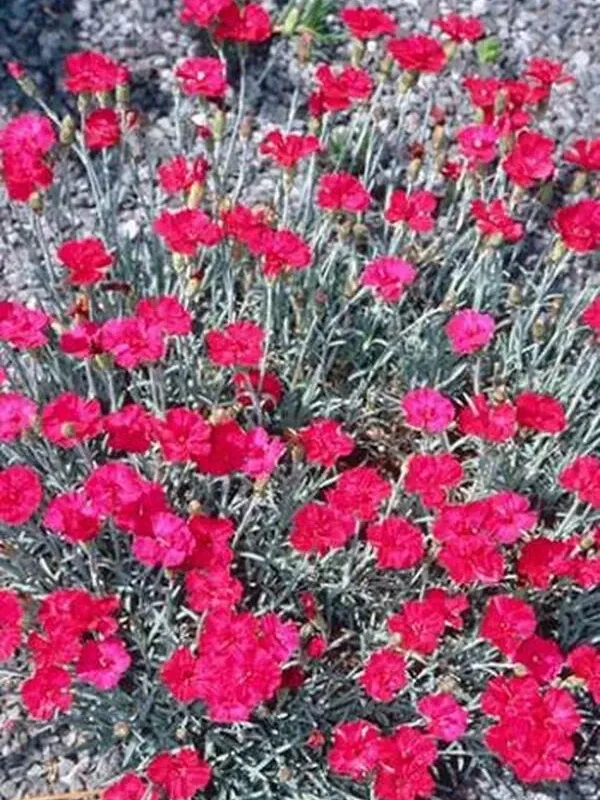
Description
Sowing dates
Dianthus x allwoodii is a hybrid perennial valued for its hardiness and aromatic flowers. Propagation by seed should begin in early spring in a controlled indoor environment to establish strong transplants.
The seeds require a light, well-draining sowing mix and a temperature of approximately 18-20 degrees Celsius. Seedlings should be pricked out into individual pots once they develop their first set of true leaves.
Hardening off the plants is a crucial step before transplanting into the garden. This process, usually taking about two weeks, helps the young plants adjust to outdoor conditions and reduces transplant shock.
Planting in the garden occurs once the danger of frost has passed, usually in mid-to-late May. Proper spacing, typically 20-25 cm, is vital to ensure adequate air circulation and prevent fungal growth.
Vegetative propagation via cuttings or division of mature clumps is also a popular method for multiplying specific cultivars, as it ensures the offspring remain identical to the parent plant.
Growing requirements
Allwood's pink thrives in full sun, which is necessary for maintaining compact growth and ensuring prolific flowering. Shade-grown plants tend to become spindly and bloom poorly.
The ideal soil is sandy, gritty, and neutral to slightly alkaline. Poor drainage is the leading cause of plant failure, so amending heavy soil with organic matter and drainage materials is highly recommended.
Watering should be moderate, focusing on keeping the soil slightly moist but never waterlogged. Always water at the base of the plant to keep foliage dry and reduce the risk of leaf spot diseases.
Regular fertilization with a balanced, slow-release fertilizer during the active growing season supports the plant's nutritional needs. Avoid excessive nitrogen, which can lead to lush but weak, disease-prone foliage.
Mulching with fine gravel or crushed stone around the base of the plant helps protect the crown from excess moisture and prevents rotting, mimicking the natural conditions of alpine habitats.
Main diseases and pests
Fungal issues are the most significant threats to Dianthus health. Fusarium wilt and other crown rots are common, especially in damp, humid conditions or compacted soils that do not drain effectively.
Pests like aphids and spider mites can infest the foliage, particularly during dry spells. Regular inspection and the use of insecticidal soaps can manage these populations before they cause significant damage.
Rust, characterized by orange or brown pustules on leaves, is another common concern. Improving air circulation around the plants and using fungicide sprays can help mitigate the spread of this fungus.
Nematodes may cause stunted growth and root damage. Preventive measures include ensuring high-quality planting material and practicing proper crop rotation to avoid replanting in infested areas.
Slugs and snails can also damage young, tender growth in spring. Physical barriers such as copper tape or crushed eggshells can provide effective protection for sensitive young plants in the garden.
Harvesting
Dianthus x allwoodii serves as an excellent cut flower due to its long vase life and pleasant, spicy fragrance. Harvesting should ideally be done in the early morning for the best longevity.
When cutting flowers for display, trim the stems at an angle to maximize water uptake. It is recommended to remove lower leaves that would be submerged in water to prevent bacterial growth.
Deadheading spent blooms throughout the growing season is essential for encouraging continuous flowering. This practice diverts energy from seed production back into the development of new flower buds.
Autumn maintenance involves cutting back the plants after the final flowering flush. This cleans up the garden area and helps the plant prepare for the winter dormancy period effectively.
For seed saving, leave a few healthy flower heads on the plant until they fully mature and the pods turn brown. Harvest these carefully and store in a cool, dry place until the next spring.